







The Family Nomad Location Test: 12 Make-or-Break Factors Before You Book
Essential checklist for nomad families: visa requirements for kids, school compliance, safety checks, and child-friendly accommodation features.
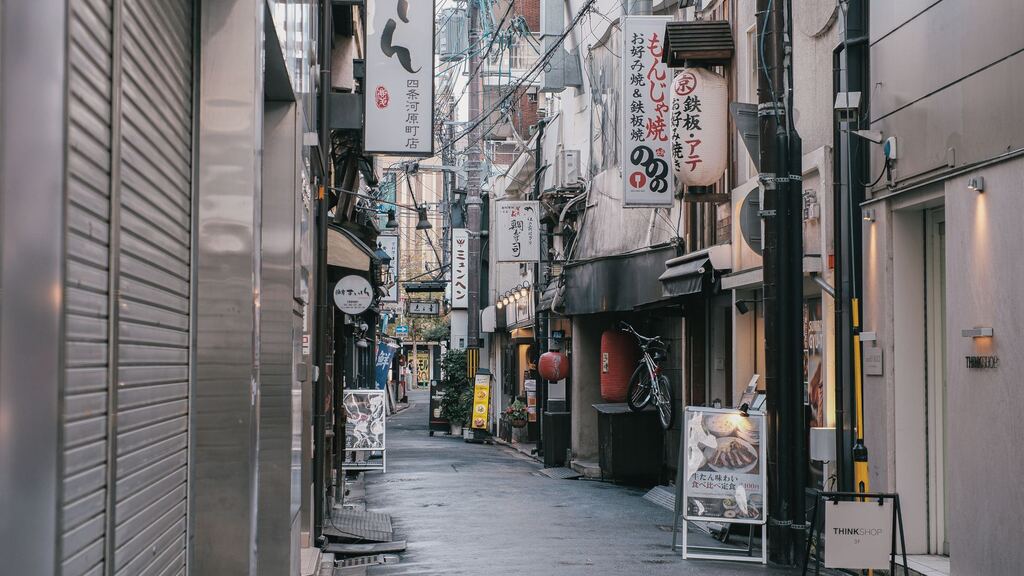
Japan's digital nomad visa is real but has strict income requirements and limitations. Here's what nomads actually get and how to qualify.
Japan launched its much-anticipated digital nomad visa in March 2024, but the reality is more restrictive than many nomads expected. While the country is attracting remote workers from around the world, understanding the actual requirements and limitations is crucial for planning your stay.
Japan's digital nomad visa is available to citizens from 49 countries and territories that have both tax treaties and visa-waiver arrangements with Japan. This includes the United States, Canada, most of Europe, Australia, New Zealand, Singapore, and Hong Kong.
Key eligible countries include: Brazil, Mexico, Indonesia, Thailand, and most major Western nations. The full list is based on existing bilateral agreements, so your eligibility depends entirely on your passport.
What you get: Up to 6 months in Japan under "Designated Activities" status. The visa is non-renewable, meaning once your 6 months are up, you must wait another 6 months before applying again.
The biggest surprise for many applicants is Japan's income requirement: you need to earn at least ¥10 million annually (approximately $68,300 USD) from remote work or freelancing.
This is significantly higher than other nomad visas. For comparison, Estonia requires about €3,500 monthly, while Portugal's D7 visa has much lower thresholds.
What counts as qualifying income: Salary from overseas employers, freelance contracts, or business income. You'll need official documentation like tax certificates or employment contracts to prove this income level.
Beyond income, Japan requires comprehensive health insurance that covers both treatment in Japan and emergency repatriation to your home country.
Processing details: Applications typically take 2-3 weeks and cost around ¥4,000 (about $27 USD). You apply through Japanese consulates in your home country before traveling.
Work restrictions: You can only work for overseas clients or employers. Taking local Japanese work violates the visa terms and can result in deportation.
Japan's conservative approach reflects concerns about tax implications and local job market protection. The 6-month limit prevents nomads from accidentally becoming tax residents (Japan's tax residency typically kicks in after 183+ days for most people).
The non-renewable aspect forces nomads to treat Japan as a "seasonal destination" rather than a long-term base. This aligns with Japan's goal of attracting tourism spending without creating permanent immigration.
High income threshold ensures visa holders have enough funds to support themselves without strain on local services or competing for lower-wage jobs.
If you're considering Japan's digital nomad visa, think of it as an extended tourist visa with work privileges rather than a true "nomad base" solution.
Best use cases: Winter escape from cold climates, spring cherry blossom season, or as part of a larger Asia circuit where you split time between multiple countries.
Budget planning: Japan is expensive. Even with the high income requirement, factor in housing costs of $1,500-3,000+ monthly in major cities, plus daily expenses that can easily reach $50-100.
Visa strategy: Since you can't renew, plan your 6 months carefully. Many nomads are using Japan as a 3-4 month winter base, then spending time in cheaper Southeast Asian countries before potentially reapplying the following year.
Tourist visa approach: Most eligible nationalities get 90-day visa-free entry. While you technically can't work on this visa, enforcement for pure remote work (no local clients) is minimal.
Working holiday visas: If you're under 30-35 (depending on nationality), working holiday agreements with Japan allow 1-year stays with work rights, though these have their own restrictions.
Student or business visas: For longer-term stays, consider Japanese language study or establishing a local business presence, though these require much more commitment and paperwork.
Japan's digital nomad visa is real and functional, but it's designed for high-earning professionals seeking a premium short-term experience rather than budget nomads looking for an affordable base. The ¥10 million income requirement alone eliminates many applicants, while the 6-month non-renewable limit makes it unsuitable for anyone wanting Japan as their primary nomad hub.
If you qualify and can afford Japan's high costs, the visa offers legitimate legal status for remote work in one of Asia's most developed countries. Just plan accordingly and treat it as part of a broader nomad strategy rather than a permanent solution.
Essential checklist for nomad families: visa requirements for kids, school compliance, safety checks, and child-friendly accommodation features.

Vietnam now offers 90-day e-visas to citizens of all countries. Here's how digital nomads can apply and what it means for your Southeast Asia plans.

Greece ends in-country applications, Portugal raises income to €3,680/month, and other EU nomad visas get more expensive or restrictive in 2026.
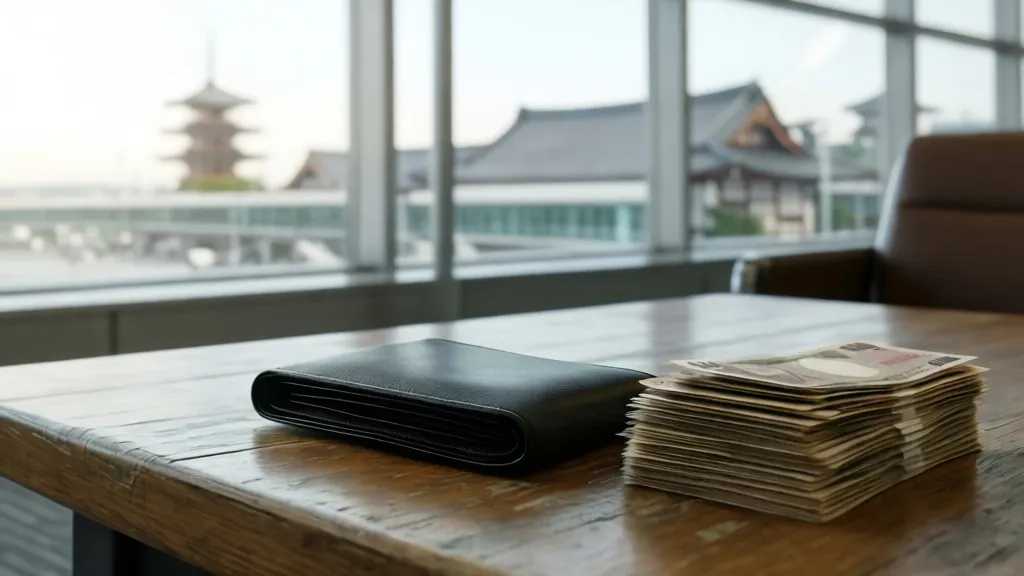
Japan's 6-month visa goes live with $65k income requirement, Sri Lanka and Philippines launch programs, while Spain hikes fees and Albania stays budget-friendly.
Government crackdowns are making nomad visas harder to get. Here's what's changing and where new opportunities exist.

Spain's digital nomad visa now requires €2,849/month income for single applicants in 2026, plus new self-employment registration rules and stricter documentation.
Get the best nomad resources, tips, and exclusive deals delivered straight to your inbox. No spam, just valuable content for your nomad journey.
Join fellow nomads. Unsubscribe anytime.