




Japan's Three-Week Nomad Festival Tests Slow Travel in Hiroshima and Setouchi
Hiroshima Setouchi Nomad Fest 2026 offers remote workers a unique three-week format across two regions, testing whether slow travel beats quick conferences.
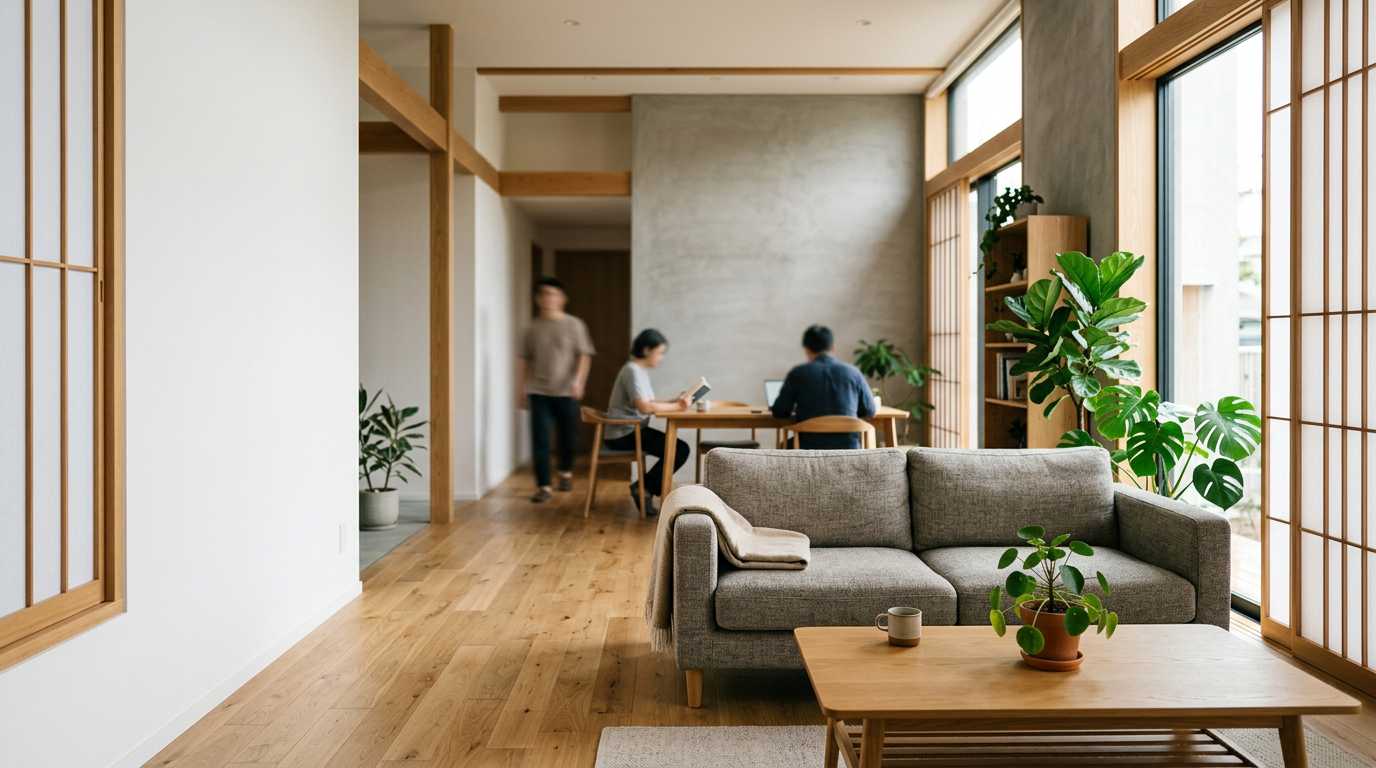
Japan Tourism Agency backs Colive Fukuoka 2026, a 14-night digital nomad coliving program with stablecoin payments and research commitments for 50 participants.
Japan just did something unprecedented for digital nomads: the Japan Tourism Agency officially backed a 14-night coliving program that bundles accommodation, community programming, and experimental payments into one package. This isn't another visa announcement, it's the government actively testing how nomads live, pay, and integrate with local communities.
Colive Fukuoka 2026's "Fukuoka Builders' Coliving" runs from September 30 to October 14, 2026, for exactly 14 nights. The Japan Tourism Agency selected it as an official pilot initiative, making it one of the first explicit government experiments in nomad coliving anywhere in Asia.
Capacity: Around 50 people
Application window: Opened August 8, 2026 and closes August 31, 2026 (or earlier if spots fill)
Cost: JPY 170,000 including tax (roughly EUR 920 or $970)
What's included: The "Colive Fukuoka 2026 Standard Pass" covers 14 nights of accommodation, community manager support, workshops, and ¥5,000 in SuzuPay points for local spending.
Location split: You'll spend 11 nights in Fukuoka City plus 3 nights in one of three regional locations, Yame, Koga, or Buzen. This hybrid approach lets you experience both urban infrastructure and authentic local immersion without constantly moving yourself.
Unlike typical independent colivings, this program comes with research commitments. Participants are expected to use stablecoin payments for daily transactions and participate in surveys and interviews. You're not just staying somewhere, you're helping Japan understand how nomads actually live and spend money.
Government backing means reliability. When a national tourism agency puts its name behind a coliving program, you get structured programming, vetted accommodations, and official support that independent operators can't always guarantee.
The stablecoin component is genuinely experimental. This isn't abstract crypto speculation. You'll use digital currency for real purchases at local shops and restaurants, backed by a government pilot studying practical Web3 adoption.
Regional exposure is rare. Most nomad programs stick to major cities. Getting curated access to smaller municipalities like Yame or Buzen, with local context and support, addresses the common nomad challenge of wanting authentic experiences without sacrificing work infrastructure.
JPY 170,000 for 14 nights breaks down to about JPY 12,100 per night, including programming and community management. Here's how that stacks up:
Similar to: Mid-range business hotels in Fukuoka (JPY 8,000-15,000 per night) but with built-in networking, workshops, and local experiences you'd otherwise organize separately.
More expensive than: Basic Airbnbs or hostels, but those don't include structured community, workshops, or research participation.
Less expensive than: Premium colivings in Tokyo or high-end hotels, especially when you factor in the included programming and regional excursions.
The ¥5,000 SuzuPay credit effectively reduces your out-of-pocket spending, though you'll need to be comfortable using stablecoins for purchases.
What works in your favor: You get government-backed reliability, built-in community without the usual isolation of solo travel, exposure to both urban and rural Japanese settings, and the chance to influence future nomad accommodation policy through your feedback.
What might not: The fixed 14-night duration offers less flexibility than typical nomad stays. The stablecoin payment requirement could feel uncomfortable if you're not already familiar with digital currencies. Limited capacity means you could miss out entirely if you wait too long to apply.
Research commitments: You're signing up to be a data point in Japan's tourism strategy. Some nomads love contributing to policy development; others prefer pure leisure travel.
Act quickly: Applications close August 31, 2026, but spots could fill earlier given the limited 50-person capacity.
Check eligibility: The program targets entrepreneurs, engineers, creators, and marketers who can contribute to local business development and community building.
Prepare for commitments: Beyond accommodation, you'll participate in surveys, interviews, and stablecoin payment experiments. Come ready to engage with the research aspects, not just the coliving experience.
Plan around the dates: September 30-October 14, 2026 is fixed. Make sure this timing works with your other travel and work commitments.
For full details and applications, check the official program page and event listings.
Colive Fukuoka 2026 represents something new: governments designing nomad experiences, not just visa policies. If you're comfortable with research participation and stablecoin payments, this pilot offers rare access to both urban and regional Japan with official backing and structured community. The 50-person limit and August 31 deadline make this a "decide now" opportunity rather than something to bookmark for later.
Hiroshima Setouchi Nomad Fest 2026 offers remote workers a unique three-week format across two regions, testing whether slow travel beats quick conferences.
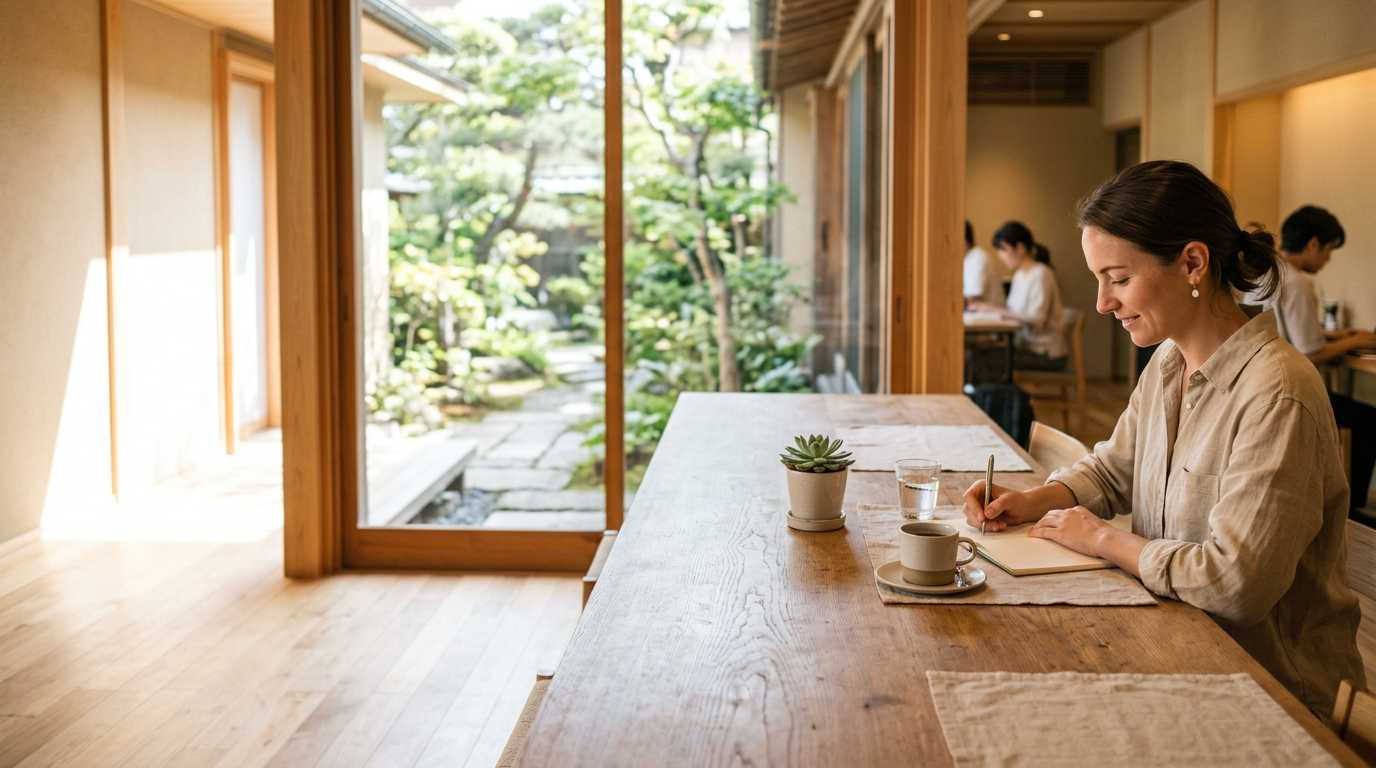
Colive Fukuoka 2026 attracted 334 participants from 44 countries for an 11-day workation program mixing coliving, coworking and regional travel across Japan.
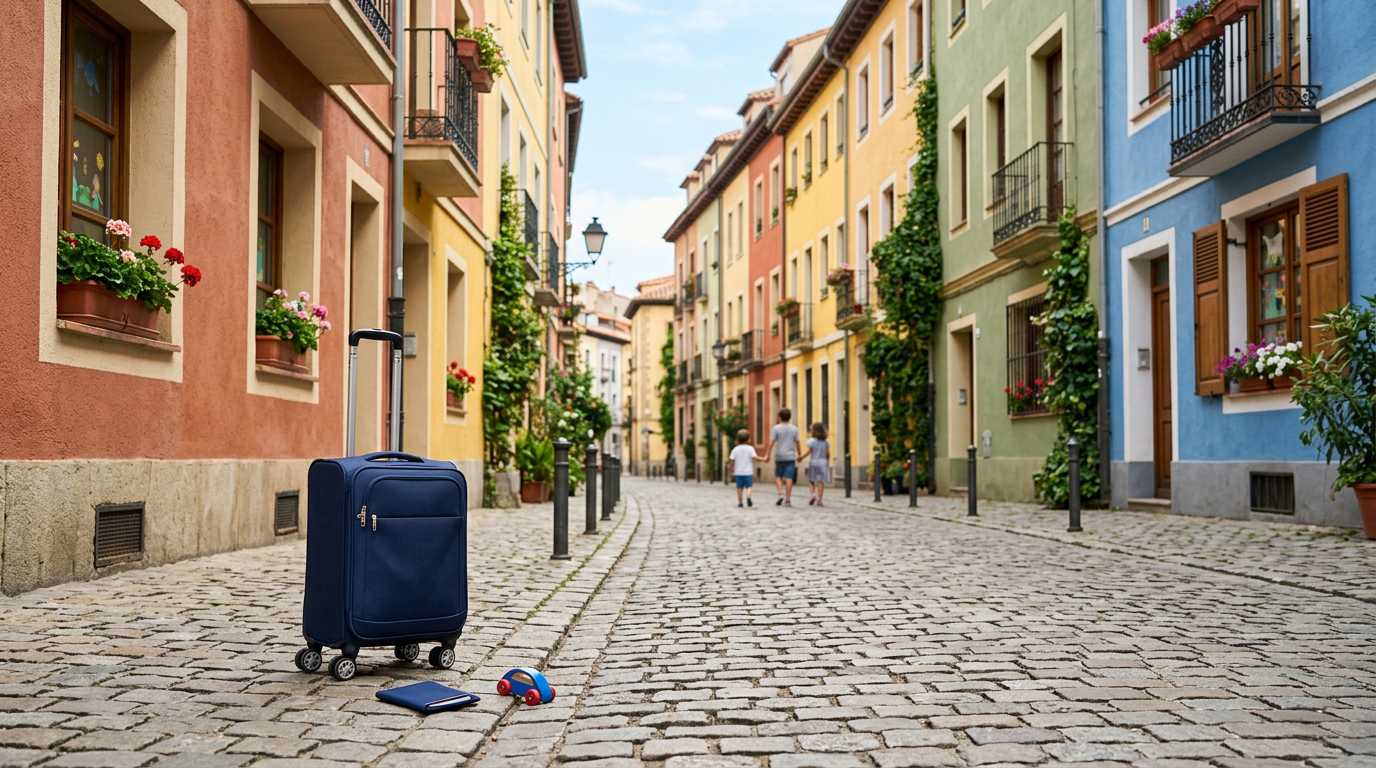
Essential checklist for nomad families: visa requirements for kids, school compliance, safety checks, and child-friendly accommodation features.

CosmoLocal CNX brings digital nomads together for a month-long coliving experiment in Chiang Mai's Wat Ket district this September 2026.

Master the art of finding monthly apartment rentals anywhere without scams or overpaying. Complete framework with local platforms, red flags, and negotiation tips.
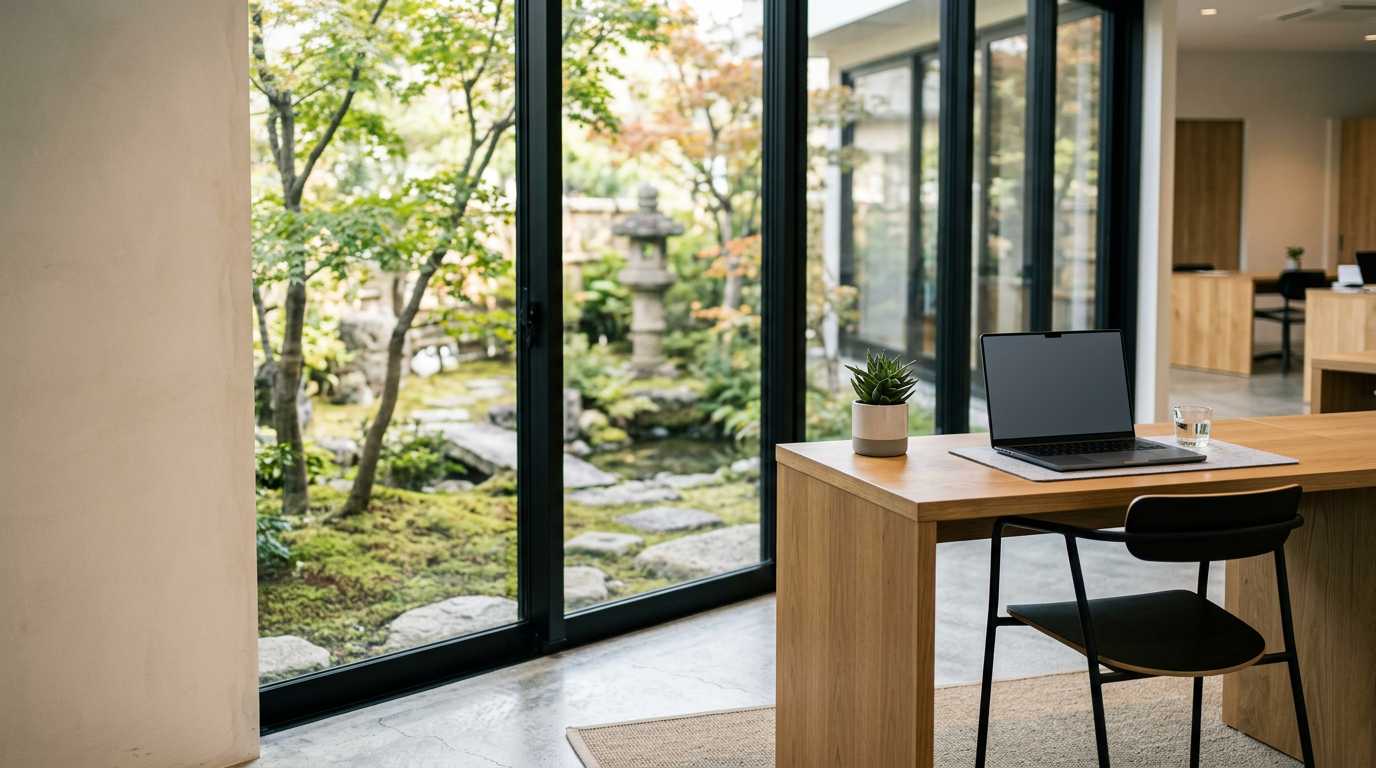
Get free housing, coworking access, and local transport in Japan through Nagasaki's nomad residency program. Applications opened July 1, 2026.
Get the best nomad resources, tips, and exclusive deals delivered straight to your inbox. No spam, just valuable content for your nomad journey.
Join fellow nomads. Unsubscribe anytime.