




Japan's Three-Week Nomad Festival Tests Slow Travel in Hiroshima and Setouchi
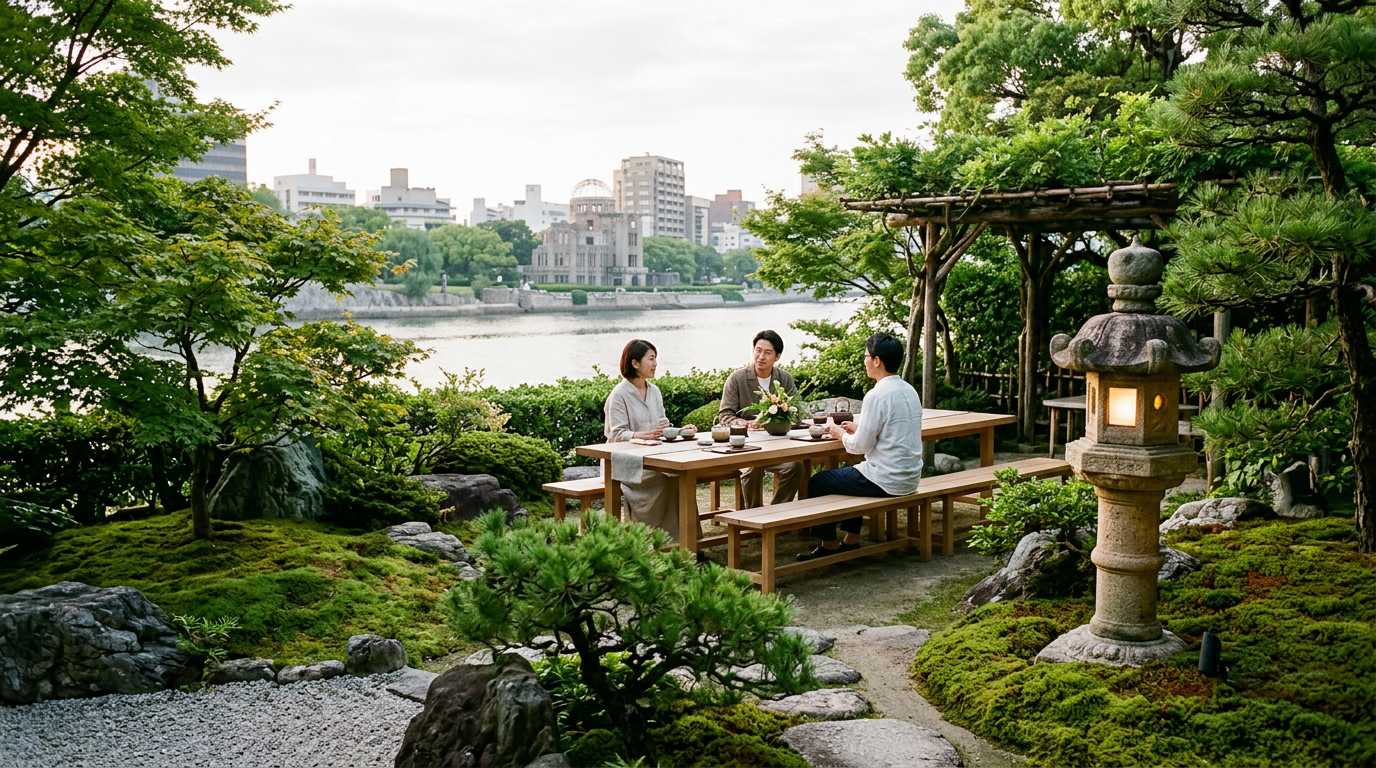
Hiroshima Setouchi Nomad Fest 2026 offers remote workers a unique three-week format across two regions, testing whether slow travel beats quick conferences.
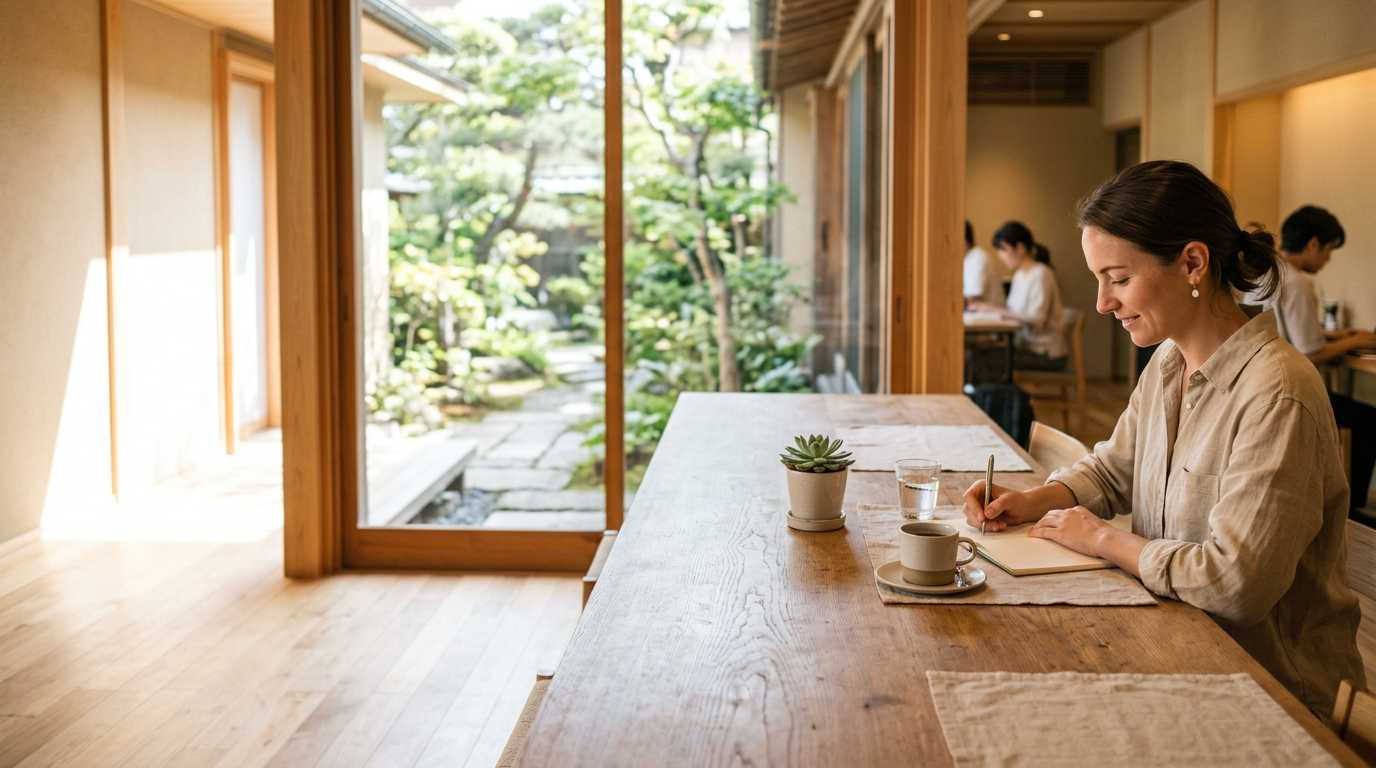
Colive Fukuoka 2026 attracted 334 participants from 44 countries for an 11-day workation program mixing coliving, coworking and regional travel across Japan.
Japan just wrapped up something interesting for digital nomads. Colive Fukuoka 2026 opened on September 30, 2026, bringing an 11-day program that goes way beyond typical nomad conferences. By September 21, it had already attracted 334 registrants from 44 countries.
This isn't just another weekend meetup. The program combines shared accommodation, coworking spaces, workshops, and regional travel across Kyushu. It's designed around longer stays and deeper local connections rather than quick networking events.
Most digital nomad events focus on a single city for a few days. Colive Fukuoka takes a different approach with three core elements: extended stays, regional exploration, and local community integration.
The time commitment: The main program runs 11 days from September 30 to October 10. Some tracks extend to October 14.
Regional scope: While based in Fukuoka City, participants can explore places like Yame, Koga, Buzen, Yanagawa, and even Nagasaki across Kyushu.
Local integration: Around 20 local students join as volunteers, with 60+ total volunteers supporting the program.
The event includes several distinct tracks designed for different needs and budgets.
Hoppin Fukuoka pairs international participants with local volunteers in shared housing. This two-week coliving program focuses on experiencing everyday life in the city rather than just tourist activities.
Fukuoka Builders' Coliving runs September 30 to October 14 with backing from Japan's Tourism Agency. Priced at ¥170,000, it combines time in Fukuoka with visits to regional towns.
Extended options allow participants to stay up to three weeks, encouraging deeper exploration beyond the main city.
The program mixes coworking sessions, cultural activities, networking meetups, and organized trips to smaller Kyushu destinations.
This model addresses common frustrations with short-term nomad events. Many conferences pack everything into 2-3 intense days, leaving little time for actual work or meaningful connections.
Colive Fukuoka's extended format lets you maintain work routines while participating. The regional travel component helps you explore areas you might not visit independently.
The local volunteer integration provides authentic cultural experiences beyond typical tourist activities. You're living with locals, not just meeting other nomads.
Cost consideration: At ¥170,000 (roughly $1,100) for two weeks including accommodation, it's comparable to independent apartment rentals plus organized activities.
If you're interested in similar programs, here's what to evaluate:
Program length: Look for events offering at least 7-10 days. Shorter programs rarely provide enough time to settle into work routines.
Accommodation style: Shared coliving spaces offer more community interaction than individual apartments, but consider your privacy needs.
Regional components: Programs that include multiple destinations provide better value than single-city events.
Local integration: Events with local volunteer programs or community partnerships offer more authentic experiences.
Work support: Ensure programs include dedicated coworking spaces and reliable internet, not just social activities.
Timing flexibility: Some programs offer early arrival or extended stay options for better travel planning.
Colive Fukuoka 2026 represents a shift from quick nomad meetups to structured workation programs. The 334 participants from 44 countries show there's real demand for longer-stay programs that balance work, community, and exploration.
For future programs, look for events offering 7+ days, regional travel components, and strong local community integration. These extended formats provide better value than conference-style events while maintaining productive work schedules.
Japan's approach of combining government tourism support with grassroots nomad organizing could become a model for other destinations looking to attract longer-staying remote workers.
Hiroshima Setouchi Nomad Fest 2026 offers remote workers a unique three-week format across two regions, testing whether slow travel beats quick conferences.

A systematic method to quickly evaluate coffee shops for remote work: test wifi speeds, map power outlets, check noise levels, and avoid tourist traps.
CosmoLocal CNX brings digital nomads together for a month-long coliving experiment in Chiang Mai's Wat Ket district this September 2026.
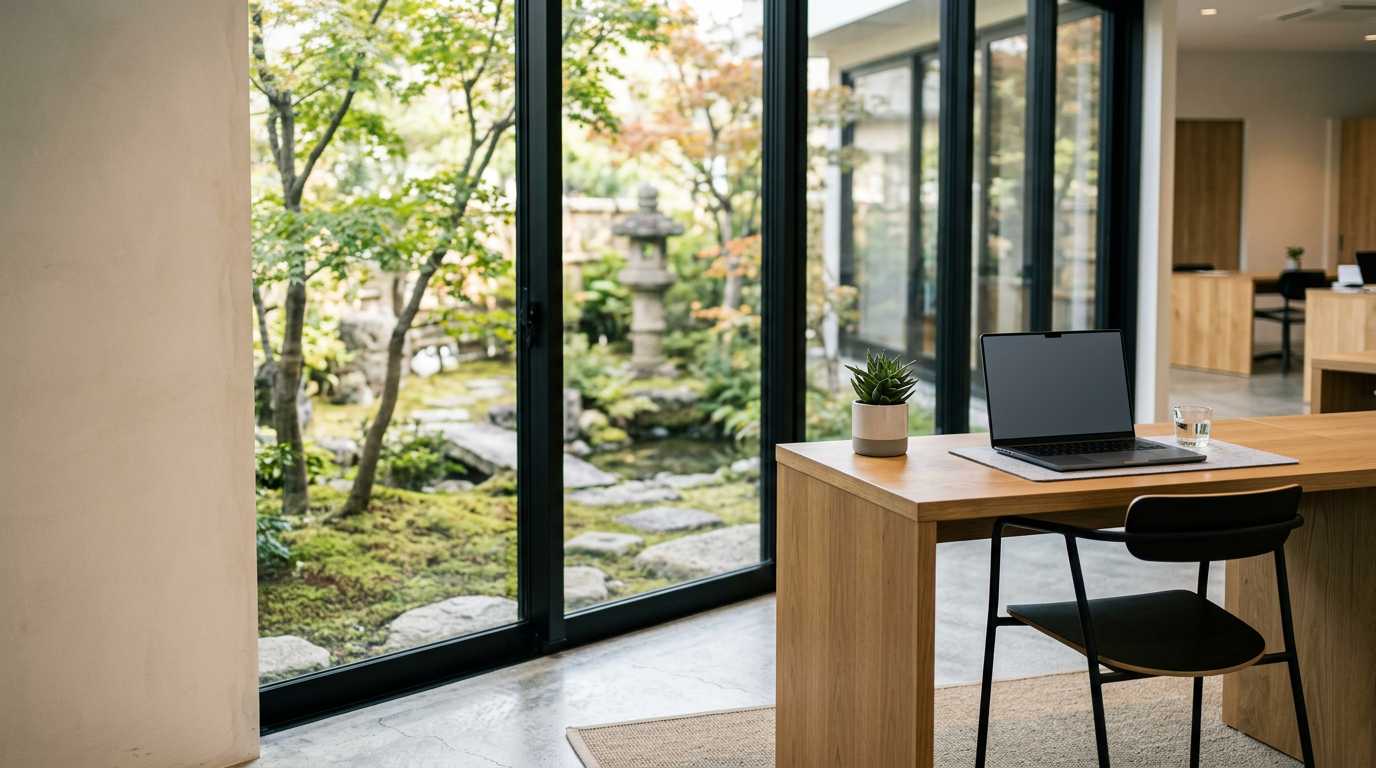
Get free housing, coworking access, and local transport in Japan through Nagasaki's nomad residency program. Applications opened July 1, 2026.
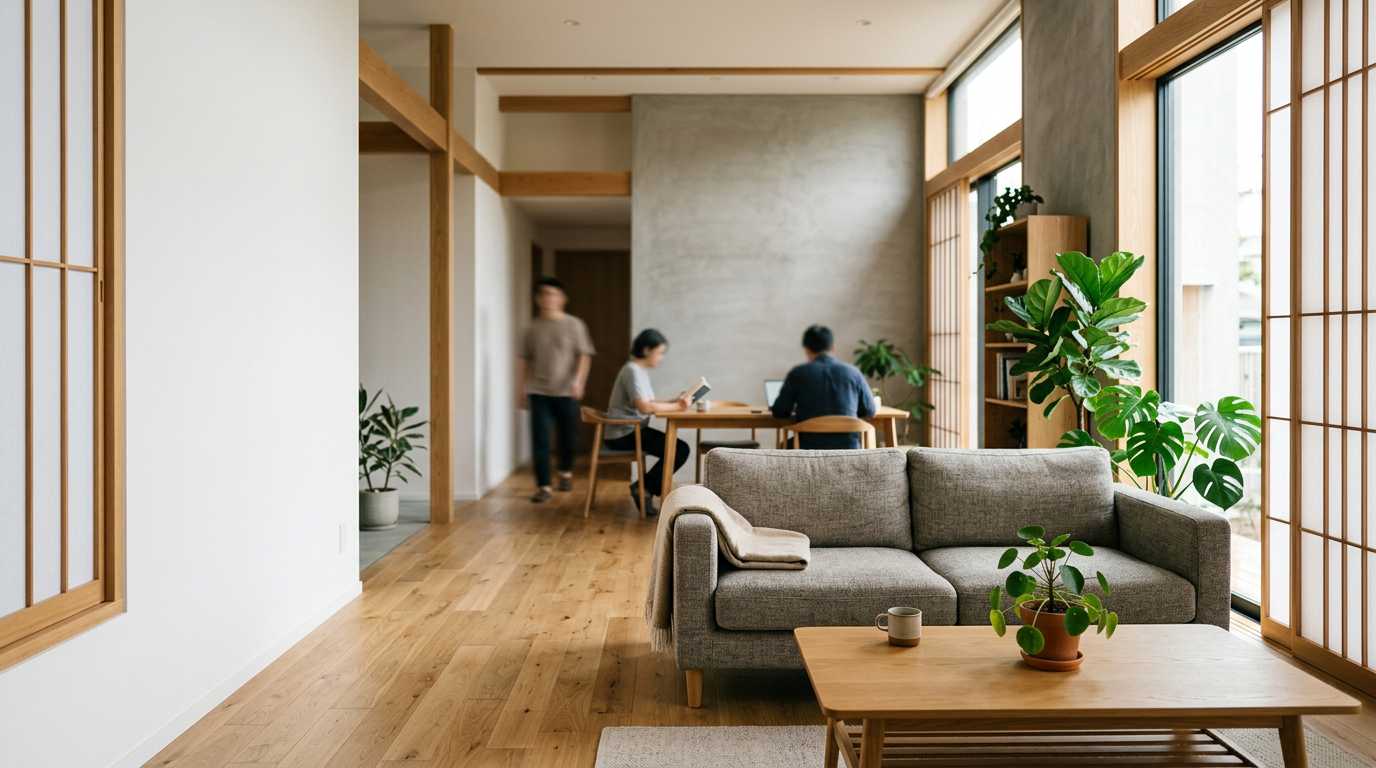
Japan Tourism Agency backs Colive Fukuoka 2026, a 14-night digital nomad coliving program with stablecoin payments and research commitments for 50 participants.

A systematic framework to evaluate coliving workspaces before booking. Test desk ergonomics, internet speed, call policies & community dynamics.
Get the best nomad resources, tips, and exclusive deals delivered straight to your inbox. No spam, just valuable content for your nomad journey.
Join fellow nomads. Unsubscribe anytime.