








Japan's Three-Week Nomad Festival Tests Slow Travel in Hiroshima and Setouchi
Hiroshima Setouchi Nomad Fest 2026 offers remote workers a unique three-week format across two regions, testing whether slow travel beats quick conferences.

A systematic framework to evaluate coliving workspaces before booking. Test desk ergonomics, internet speed, call policies & community dynamics.
Beautiful Instagram photos and glowing reviews don't tell you if you'll actually be productive in a coliving space. The reality? Most listings skip the details that make or break your workday – like whether you can take client calls without disturbing housemates or if the desk will leave your back screaming after eight hours.
This evaluation framework helps you dig deeper before committing to a month-long stay. Use these eight targeted questions to uncover the workspace realities that determine whether you'll thrive or struggle.
Your workspace setup directly impacts your daily comfort and long-term health. Most coliving spaces show stylish photos of their desks, but the ergonomics tell a different story.
Chair Quality Test: Ask for photos of the actual chair you'll use, not just the desk. Request the chair model name so you can research its ergonomic features. A beautiful wooden chair might photograph well but destroy your posture during long work sessions.
Desk Height Verification: Standard desk height is 28-30 inches, but many coliving spaces use dining tables (30-32 inches) as workstations. If you're under 5'8", this height difference can cause shoulder strain and wrist problems.
Monitor Setup Options: Confirm whether you can use an external monitor and if the desk has proper cable management. Working solely on a laptop for weeks creates neck strain and reduces productivity significantly.
Speed tests only tell part of the story. The real question is whether the internet infrastructure can handle your actual work demands during peak usage times.
Redundancy Systems: Ask if there's backup internet or a secondary provider. Many digital nomads have learned this lesson the hard way when the primary connection fails during important meetings.
Peak Hour Performance: Request speed test results taken between 9 AM and 6 PM local time when all residents are online. Evening speed tests when most people are relaxing don't reflect your working reality.
Upload Speed Priority: Confirm upload speeds, especially if you do video calls or file sharing. Many connections offer fast downloads but struggle with uploads, making video calls choppy and file transfers painfully slow.
Nothing kills productivity faster than constant noise conflicts or awkward scheduling around other people's calls. Understanding the actual call culture prevents daily friction.
Designated Call Zones: Ask where you can take calls without disturbing others and whether these spaces are bookable or first-come-first-served. Some spaces have "quiet zones" that aren't actually enforced.
Time Restrictions: Inquire about call time limits in shared spaces and whether there are quiet hours. Coliving etiquette around workspace habits varies dramatically between properties.
Soundproofing Reality: Ask current residents about noise levels during typical work hours. Beautiful open-plan spaces often amplify every conversation and keyboard click.
The wrong community mix can turn your productive workspace into a constant social obligation or party environment. Understanding the resident profile helps you gauge compatibility.
Work Schedule Alignment: Ask about the typical daily schedules of current residents. A space full of night owls partying until 3 AM won't work if you need to start client calls at 8 AM.
Professional vs Social Balance: Inquire about the ratio of remote workers to travelers or students. Longer stays tend to attract more serious remote workers, while short-term residents often prioritize socializing over productivity.
Conflict Resolution Process: Understand how workspace conflicts are handled. Properties with clear processes and responsive management prevent small issues from becoming major productivity killers.
Once you've gathered information, verify the details through multiple sources to avoid surprises upon arrival.
Current Resident Feedback: Ask the host to connect you with current residents for a brief chat. Most hosts willing to facilitate this connection are confident about their workspace quality.
Video Tour Request: Schedule a live video tour focusing on workspaces during typical work hours. This reveals actual noise levels and space availability that photos can't capture.
Trial Period Negotiation: Consider requesting a shorter initial stay to test compatibility before committing to a full month. Many hosts prefer this approach as it reduces risk for both parties.
Certain responses indicate potential productivity problems that you should investigate further or avoid entirely.
Vague answers about internet backup plans or call policies suggest the host hasn't thought through remote work needs. Properties that can't provide specific chair models or desk dimensions likely prioritize aesthetics over functionality.
Hosts who discourage contact with current residents or refuse live video tours might be hiding workspace problems. Similarly, spaces with no clear noise policies or conflict resolution processes often struggle with resident disputes.
Evaluating a coliving workspace takes more effort than booking a vacation rental, but the payoff is weeks of productive, comfortable work instead of daily frustrations. Use this framework to ask specific questions, verify answers through multiple sources, and negotiate trial periods when possible.
Remember that the perfect Instagram aesthetic doesn't guarantee workspace functionality. Focus on ergonomics, infrastructure reliability, and community compatibility to find spaces where you can actually get work done.
The extra time spent evaluating upfront prevents the stress and cost of finding alternative workspaces or cutting stays short due to productivity problems.
Hiroshima Setouchi Nomad Fest 2026 offers remote workers a unique three-week format across two regions, testing whether slow travel beats quick conferences.

A systematic method to quickly evaluate coffee shops for remote work: test wifi speeds, map power outlets, check noise levels, and avoid tourist traps.
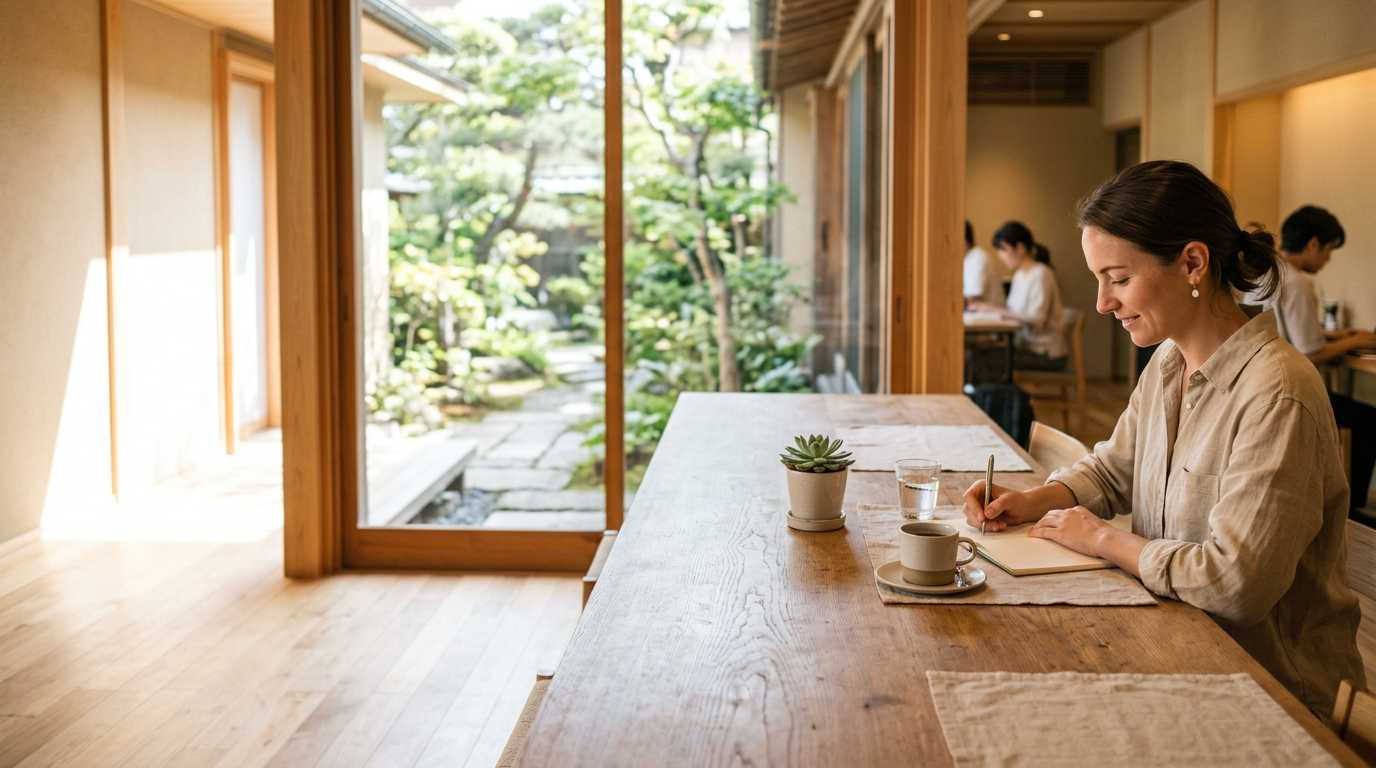
Colive Fukuoka 2026 attracted 334 participants from 44 countries for an 11-day workation program mixing coliving, coworking and regional travel across Japan.

CosmoLocal CNX brings digital nomads together for a month-long coliving experiment in Chiang Mai's Wat Ket district this September 2026.
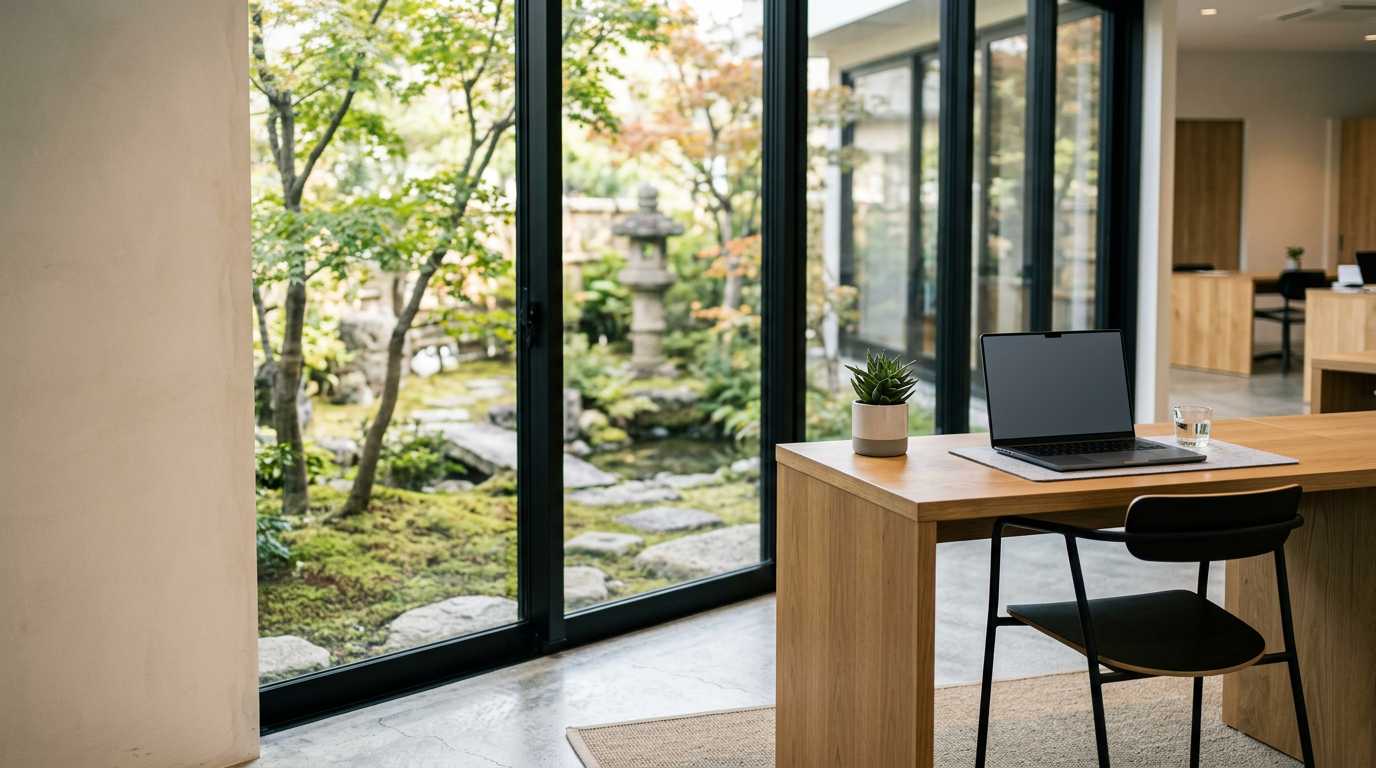
Get free housing, coworking access, and local transport in Japan through Nagasaki's nomad residency program. Applications opened July 1, 2026.
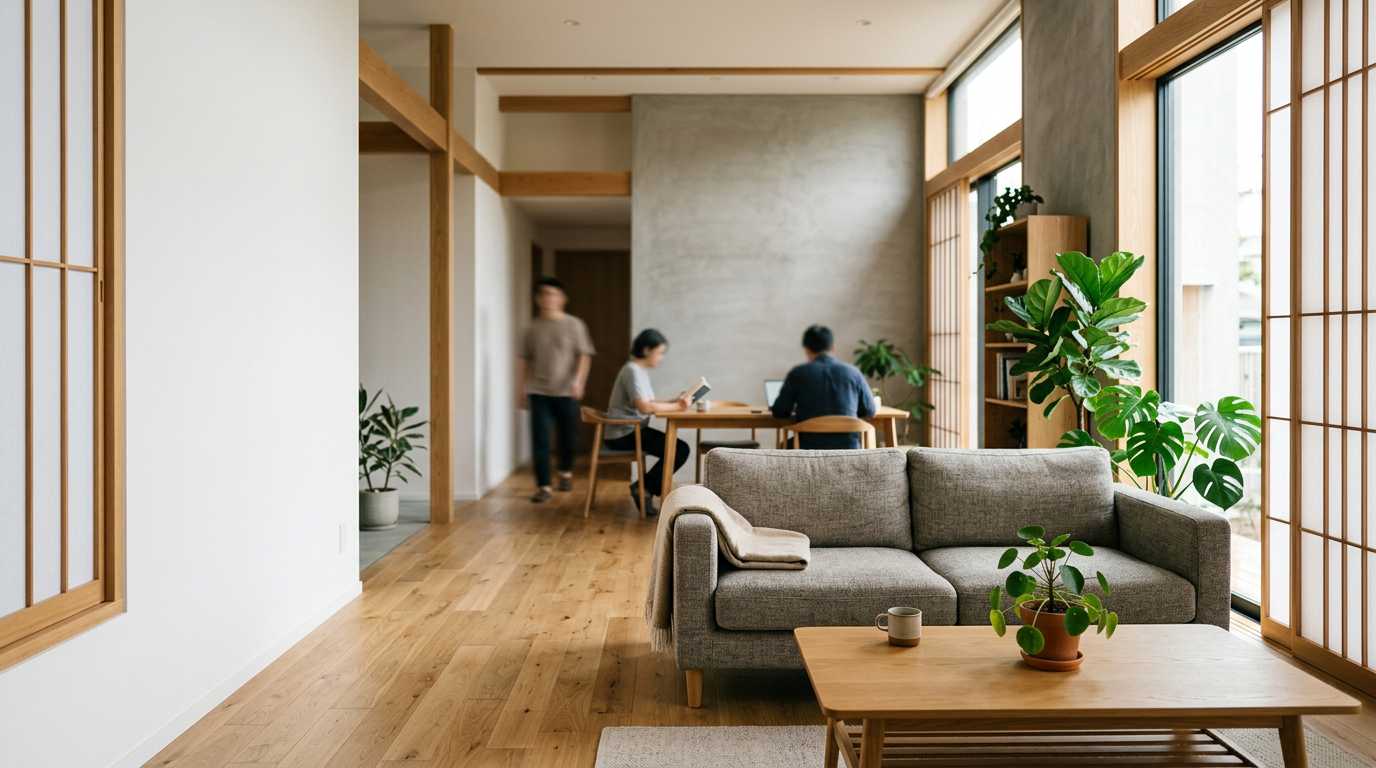
Japan Tourism Agency backs Colive Fukuoka 2026, a 14-night digital nomad coliving program with stablecoin payments and research commitments for 50 participants.
Get the best nomad resources, tips, and exclusive deals delivered straight to your inbox. No spam, just valuable content for your nomad journey.
Join fellow nomads. Unsubscribe anytime.