








Remote Workers Can Get Free Arctic Housing and Coworking—But the Real Challenge Is Living There
Remote workers can apply for 1-3 months of free Arctic housing and coworking. Here's what to expect and how to prepare for similar programs.
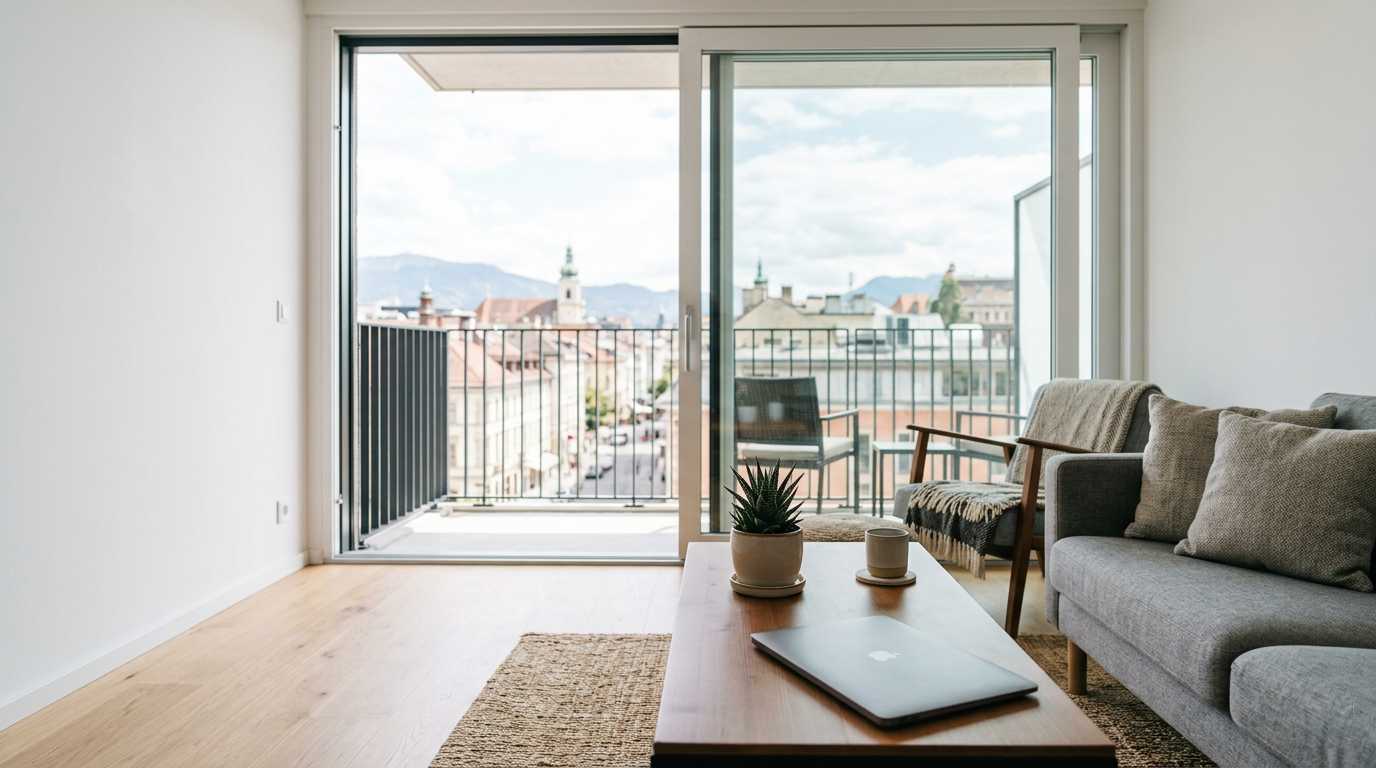
Airbnb's AI travel agent launches in early 2027. Will it help nomads find better monthly rentals or just prettier listings?
Airbnb is building a visual AI travel agent expected to roll out in the first half of 2027. Unlike chatbot-style tools, this new feature will help travelers discover and organize trips visually, potentially making it easier to compare neighborhoods, accommodations, and longer stays all in one place.
For digital nomads who rely on Airbnb to find monthly rentals around the world, this could be a big shift in how you search. The question is whether the AI will surface what remote workers actually need, or just show you the most photogenic apartments.
Airbnb's tool is designed around visual discovery rather than text-heavy search. That means you'll likely see maps, photos, and neighborhood overviews instead of typing endless filters into a search bar.
The platform hasn't shared full details yet, but the AI agent is meant to help organize entire trips, not just book a single night. For nomads planning a month or longer in a new city, that could mean comparing multiple neighborhoods, checking amenities across dozens of listings, and understanding local context, all without opening twenty browser tabs.
Launch window: First half of 2027.
Format: Visual and map-based, not a traditional chat interface.
Target use case: Trip discovery and planning, especially for longer or more complex stays.
Most nomads already use Airbnb to find monthly housing, but the current search experience isn't built for remote work. You can filter for Wi-Fi, but there's no way to know if it's actually fast enough for Zoom calls. You can see a desk in a photo, but not whether the chair is comfortable or the lighting is decent.
An AI tool could theoretically learn what matters to long-stay guests and highlight listings that check those boxes. It might surface apartments with dedicated workspaces, kitchens for cooking your own meals, washing machines, and quiet streets, things that matter more over 30 days than over a weekend.
But there's also a risk. If the AI optimizes for engagement or booking speed, it might prioritize listings with great photos and central locations over the practical, less glamorous details that make a place livable for a month. A beachfront studio with no desk and patchy internet looks better in an algorithm than a boring apartment with fiber and a proper office setup.
If Airbnb's AI is going to be useful for remote workers, it needs to go beyond aesthetics and tourist highlights. Here's what would actually help.
Workspace quality: Not just "has Wi-Fi," but upload/download speeds, desk and chair setup, natural light, and noise levels. User reviews often mention these, but they're buried in paragraphs of text.
Monthly pricing transparency: Many hosts offer discounts for 28+ day stays, but they're not always visible until you select dates. The AI should surface long-term rates upfront and compare cost per month across neighborhoods.
Practical amenities: Kitchen equipment, washing machine, grocery stores nearby, coworking spaces within walking distance. These aren't sexy features, but they're deal-breakers for a month-long stay.
Neighborhood context for work-life balance: Is this area quiet during the day? Are there cafés with good Wi-Fi? What's the commute to coworking hubs? A visual AI could map this out instead of making you Google every address.
Reliability signals: How responsive is the host? Do long-term guests leave positive reviews? Are there recurring complaints about internet or maintenance? An AI that flags these patterns would save hours of manual review-reading.
The tool won't arrive until 2027, so you'll be using the current Airbnb search for at least another year. Here's how to make it work better for nomad stays right now.
Message hosts before booking. Ask about internet speed (request a screenshot from fast.com or speedtest.net), workspace setup, and whether the place is actually quiet during work hours. Good hosts will answer quickly and thoroughly.
Use the map view. Drop pins on coworking spaces, cafés, or gyms you plan to use, then search for apartments nearby. This gives you better neighborhood context than filtering by district name alone.
Read reviews from long-term guests. Sort reviews by length of stay if possible, or scan for mentions of "month," "remote work," or "workspace." Weekend travelers and nomads care about totally different things.
Check monthly discounts manually. Toggle your dates to 28+ days and compare the per-night rate. Some hosts offer 30% or more off, but it's not always advertised.
Search off-season or in shoulder months. You'll have more inventory, better prices, and hosts are often more flexible about custom requests (early check-in, extra monitor, faster router).
Airbnb's visual AI travel agent could make it much easier to plan long-term stays, if it's designed with remote workers in mind. The best-case scenario is a tool that understands workspace quality, surfaces monthly pricing, and highlights practical amenities instead of just pretty photos. The risk is that it becomes another engagement-optimized feed that prioritizes clicks over livability.
Until it launches in early 2027, keep using the current platform strategically: message hosts with specific questions, read long-term reviews carefully, and don't rely on filters alone. And when the AI does arrive, test it with a critical eye, because what looks good to an algorithm and what works for a month of remote work aren't always the same thing.
Remote workers can apply for 1-3 months of free Arctic housing and coworking. Here's what to expect and how to prepare for similar programs.
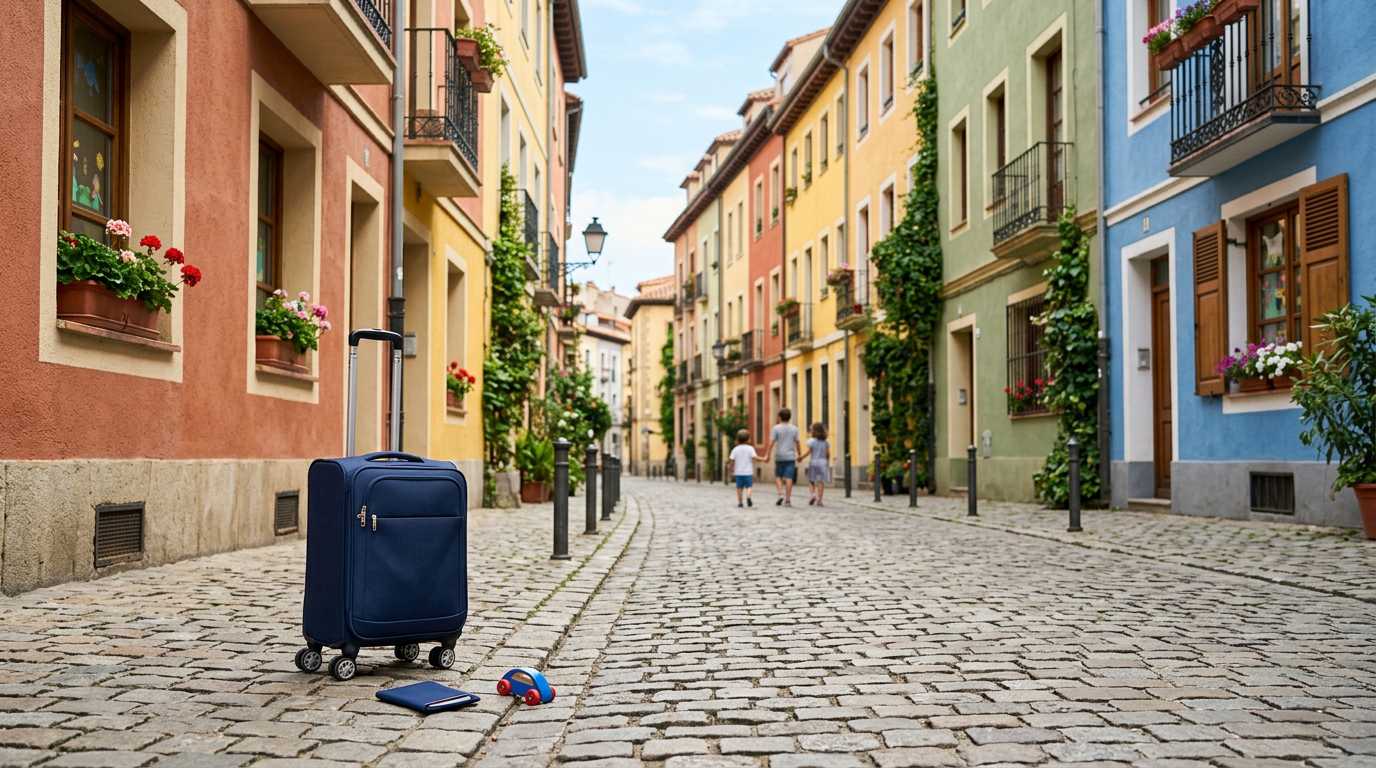
Essential checklist for nomad families: visa requirements for kids, school compliance, safety checks, and child-friendly accommodation features.

Master the art of finding monthly apartment rentals anywhere without scams or overpaying. Complete framework with local platforms, red flags, and negotiation tips.
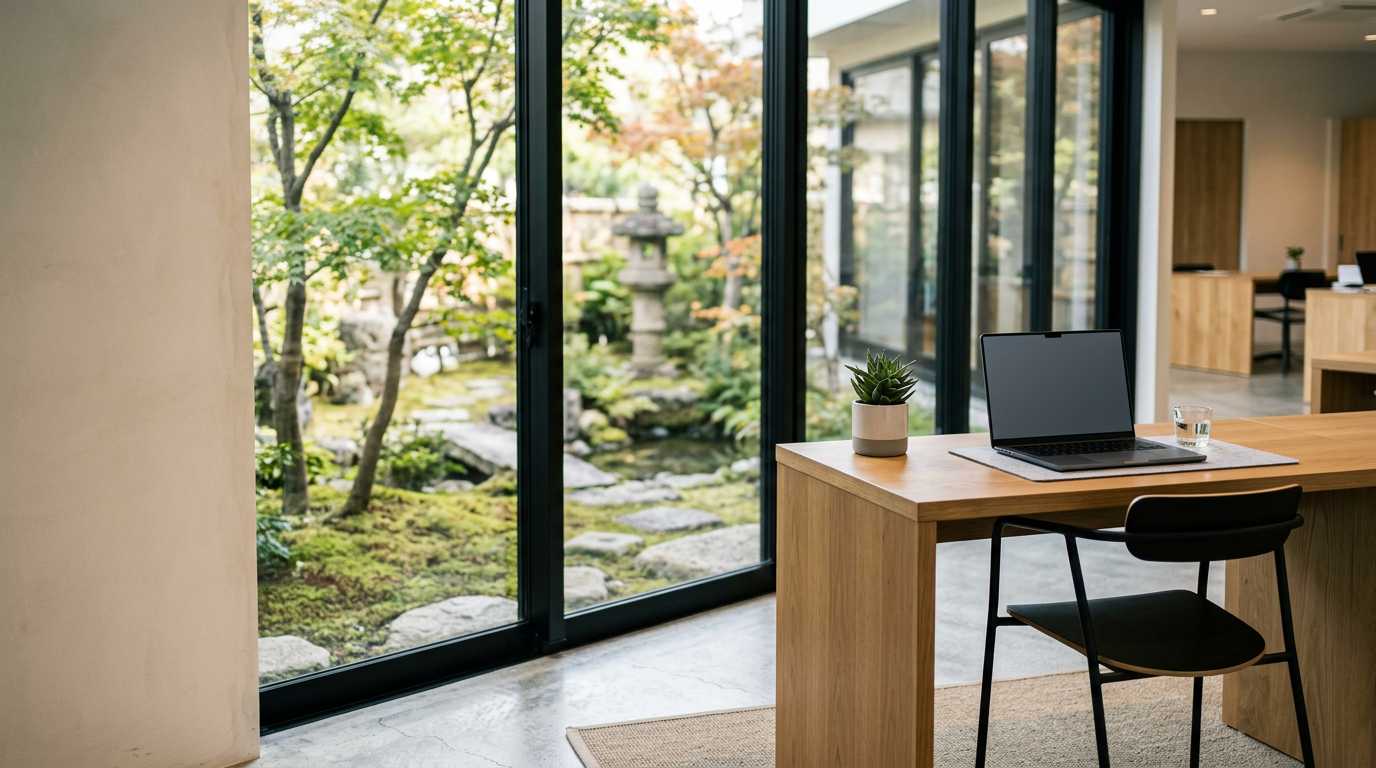
Get free housing, coworking access, and local transport in Japan through Nagasaki's nomad residency program. Applications opened July 1, 2026.

Essential apps for noise control, call privacy, file security, and productivity tracking that solve the unique challenges of working from hostels.
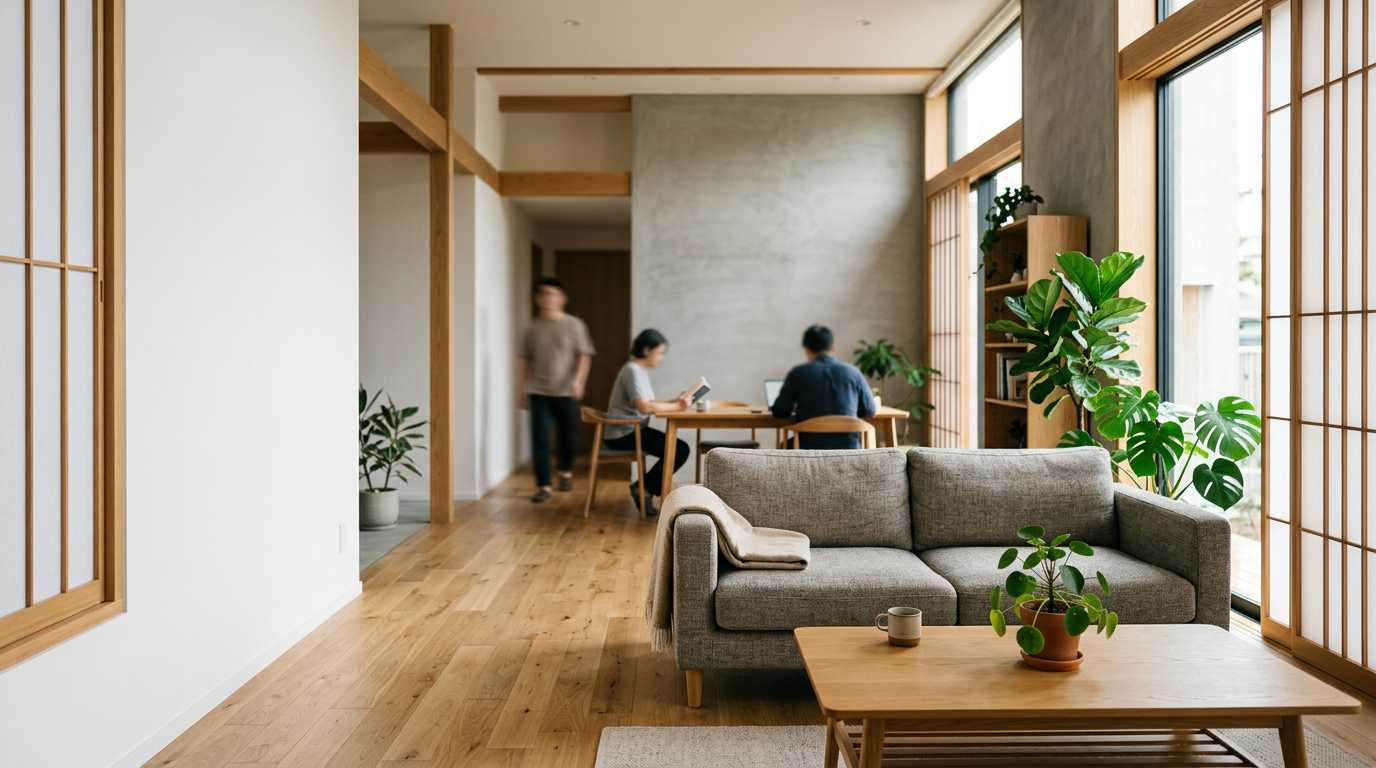
Japan Tourism Agency backs Colive Fukuoka 2026, a 14-night digital nomad coliving program with stablecoin payments and research commitments for 50 participants.
Get the best nomad resources, tips, and exclusive deals delivered straight to your inbox. No spam, just valuable content for your nomad journey.
Join fellow nomads. Unsubscribe anytime.