





easyJet Is Adding Starlink Wi-Fi to Its Fleet—What Remote Workers Need to Know
easyJet is rolling out free Starlink Wi-Fi from 2027. Here's what digital nomads should know about working from budget flights during the transition.

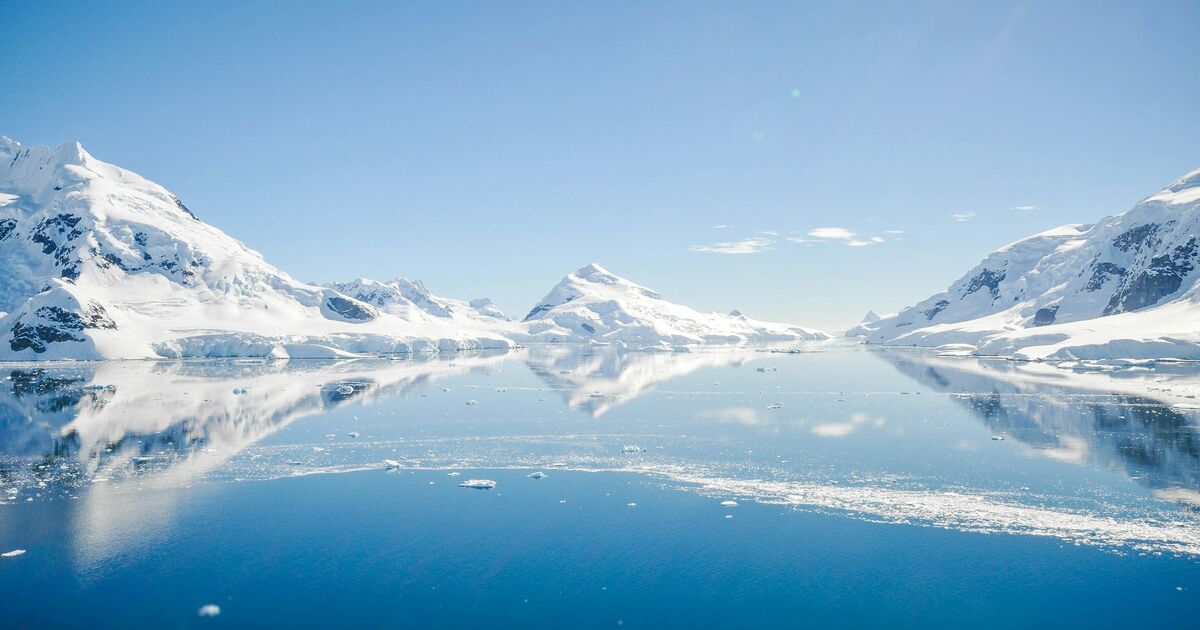
Remote workers can apply for 1-3 months of free Arctic housing and coworking. Here's what to expect and how to prepare for similar programs.
A new grant is offering remote workers one to three months of free accommodation and coworking space in Arctic communities across Norway, Iceland, and the Faroe Islands. But this isn't a standard residency program, participants are expected to contribute skills or help with community projects in exchange for housing and workspace.
The program ran from February through April, with applications closing on October 15, 2026. Locations included Norway's Geirangerfjord, Iceland's Westfjords, and communities across the Faroe Islands. The grant covered accommodation, coworking access, and selected group activities, but living in the Arctic winter comes with real logistical challenges that most remote workers don't face in Lisbon or Chiang Mai.
The program handles your biggest fixed costs: a place to sleep and a place to work. Accommodation is provided in the host community, and coworking spaces are included so you have reliable wifi and a desk.
You also get access to organized group activities, which typically include cultural events, outdoor excursions, and community gatherings. These aren't just tourist extras, they're part of how you integrate and contribute.
What you're responsible for: Flights, food, personal supplies, health insurance, and any transport outside the community. You'll also need to deliver on your skills contribution, whether that's teaching workshops, helping local businesses with marketing, coding a website, or running photography sessions.
This isn't a visa program or a tourism incentive. Arctic communities are dealing with population decline, aging infrastructure, and limited access to specialized skills. They're offering housing because they need help, and they're selective about who they accept.
Common contributions include: Digital marketing for local businesses, web design, photography and videography, English teaching or tutoring, social media management, graphic design, business consulting, and event organizing.
Your application should be specific. "I'm a designer" is too vague. "I can redesign your tourism website and train two local staff to maintain it" is what gets accepted. Think about what the community needs, not just what you want to do.
Living in the Arctic from February to April means short days, cold weather, and limited infrastructure. These aren't deal-breakers, but they require preparation.
Daylight and weather: In February, some locations get only 4-6 hours of daylight. Temperatures regularly drop below freezing, and snow or ice can shut down transport for days. If you've never experienced polar winter, it affects your mood, energy, and routine more than you expect.
Internet and power: Coworking spaces typically have stable connections, but residential wifi can be slow or unreliable. Power outages happen, especially during storms. Have offline work ready, keep devices charged, and clarify backup plans with your host before you go.
Transport and access: Many Arctic villages are small and remote. Grocery stores may be limited, and you might need to travel by ferry or small plane to reach larger towns. If you have a medical issue or need to fly out for work, your options are limited and weather-dependent.
Healthcare: You'll need travel insurance that covers medical evacuation. Local clinics exist, but serious cases require transport to regional hospitals, which can take hours or be delayed by weather.
Even though the October 15 deadline has passed, similar programs run regularly in Nordic and Arctic regions. Here's how to get ready for the next round.
Research the location properly. Don't just look at summer photos. Check February weather, daylight hours, transport schedules, and what services are actually available. Join Facebook groups for the region or reach out to past participants.
Clarify your skills offer early. Before you apply, draft a one-page proposal: what you'll deliver, who benefits, and your timeline. If possible, get feedback from someone who's done community exchange programs before.
Test your remote setup offline. Download maps, work files, and essential apps. Make sure your laptop, phone, and backup battery can handle a full day without power. If you rely on cloud tools, know which ones have offline modes.
Pack for function, not style. Layered thermal clothing, waterproof boots, a headlamp, and a good winter coat are non-negotiable. Bring any medication or personal supplies you can't easily replace, shipping to remote areas is slow and expensive.
Set up your finances in advance. Some villages have limited ATMs or card acceptance. Notify your bank, carry some cash, and have a backup card. Also confirm how you'll pay for groceries and transport.
Arctic and rural residencies are growing as communities look for new ways to attract skilled workers and slow population decline. Here are places to watch for future opportunities.
Norway: Several municipalities offer remote work incentives, especially in northern and western regions. Check regional tourism boards and innovation hubs.
Iceland: The Westfjords and smaller towns occasionally run residency or skills-exchange programs. Follow Inspired by Iceland and regional development agencies.
Faroe Islands: The islands have experimented with volunteer and remote work programs before. Monitor Visit Faroe Islands and local Facebook groups.
Finland and Greenland: Both have emerging programs for remote workers and entrepreneurs in rural areas. Look for economic development or innovation office announcements.
You can also track broader residency and grant news through platforms like Nomad Register, which aggregate remote work events and opportunities.
If you can handle cold, dark, and isolation, and you genuinely want to contribute to a small community, Arctic residencies offer something rare: a chance to live somewhere stunning, work with purpose, and skip rent for up to three months.
But this isn't a workation. It's a skills exchange in a challenging environment. You'll be expected to deliver, adapt, and participate. If you're looking for a sunny coworking space with smoothie bars, this isn't it. If you want a break from the digital nomad circuit and a chance to do meaningful work in a place most people never see, it's worth applying.
The Arctic housing and coworking grant offers remote workers free accommodation and workspace in Norway, Iceland, and the Faroe Islands in exchange for community contributions. Applications for the February–April program closed in October, but similar residencies appear regularly.
To succeed, prepare for winter conditions, clarify your skills offer, test your remote setup offline, and research the location thoroughly. This isn't a typical visa or travel deal, it's a community exchange that rewards adaptability, skills, and a willingness to live and work in one of the world's most remote regions.
easyJet is rolling out free Starlink Wi-Fi from 2027. Here's what digital nomads should know about working from budget flights during the transition.

Hiroshima Setouchi Nomad Fest 2026 offers remote workers a unique three-week format across two regions, testing whether slow travel beats quick conferences.

A systematic method to quickly evaluate coffee shops for remote work: test wifi speeds, map power outlets, check noise levels, and avoid tourist traps.

Colive Fukuoka 2026 attracted 334 participants from 44 countries for an 11-day workation program mixing coliving, coworking and regional travel across Japan.
Essential checklist for nomad families: visa requirements for kids, school compliance, safety checks, and child-friendly accommodation features.

CosmoLocal CNX brings digital nomads together for a month-long coliving experiment in Chiang Mai's Wat Ket district this September 2026.
Get the best nomad resources, tips, and exclusive deals delivered straight to your inbox. No spam, just valuable content for your nomad journey.
Join fellow nomads. Unsubscribe anytime.