
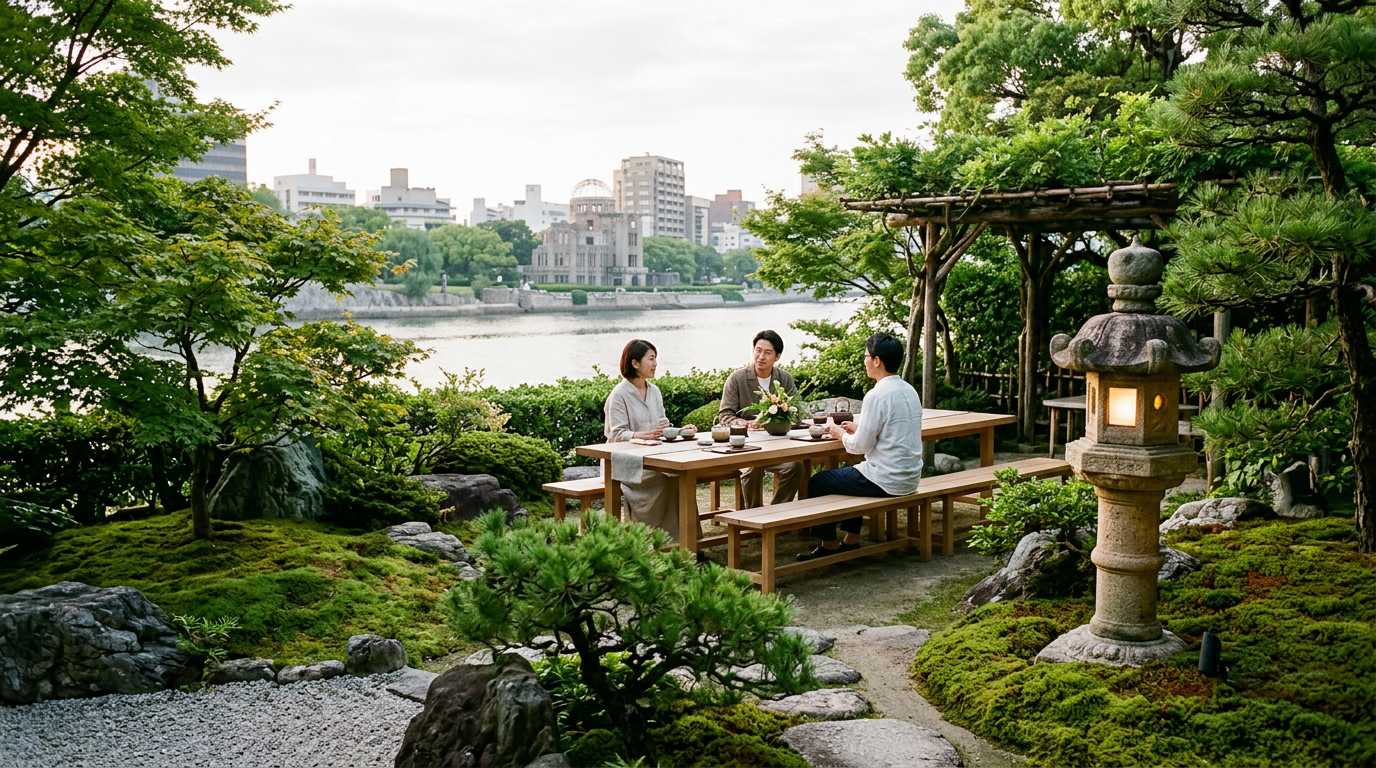
Japan's Three-Week Nomad Festival Tests Slow Travel in Hiroshima and Setouchi
Hiroshima Setouchi Nomad Fest 2026 offers remote workers a unique three-week format across two regions, testing whether slow travel beats quick conferences.
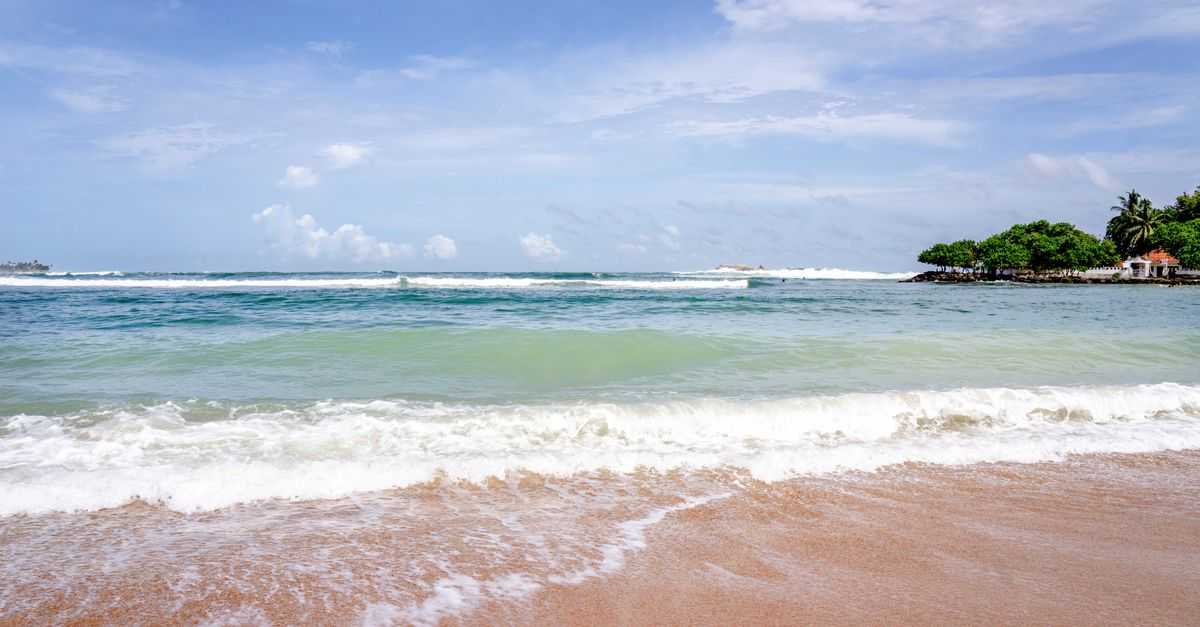
Sri Lanka launched its digital nomad visa in February 2026 with a low $2,000/month requirement. Here's how to apply and what it costs.
Sri Lanka has officially launched its digital nomad visa program, opening one of Asia's most affordable remote work destinations to nomads worldwide. With just a $2,000 monthly income requirement, this new visa makes Sri Lanka accessible to freelancers and remote workers who've been priced out of other programs.
Visa length: 1 year, renewable annually
Income requirement: $2,000 per month from foreign sources only
Cost: $500 per person application fee
Work allowed: Remote work for foreign employers and clients (no local Sri Lankan work permitted)
Family-friendly: Spouses and children can be included, with an extra $500/month income requirement per additional dependent after the first two
The visa goes beyond just allowing you to stay - you can open bank accounts, sign rental agreements, enroll kids in international schools, and access all the services you need for a proper base.
Step 1: Get your recommendation letter You'll need a recommendation from Sri Lanka's Ministry of Digital Economy. This unique requirement means planning ahead - it's not an instant approval.
Step 2: Gather your documents The application requires standard nomad visa paperwork plus a few extras:
Step 3: Submit online Applications go through the Department of Immigration & Emigration's e-services portal. You'll upload documents and pay the $500 fee digitally.
Step 4: Complete medical clearance After approval, you'll need a medical exam at a designated facility in Sri Lanka.
Sri Lanka offers an unbeatable combination of affordability and infrastructure that many nomads have been waiting for.
Cost of living: A comfortable lifestyle costs $800-1,200 per month, leaving plenty of room above the visa requirement.
Infrastructure: Reliable internet, coworking spaces in Colombo and coastal areas, and well-developed tourism services.
Location: Perfect base for exploring South Asia, with easy access to India, Maldives, and Southeast Asia.
Community: Growing expat and nomad communities, especially around Colombo, Galle, and Mirissa.
The island recovered well from its 2022 economic crisis, and the government is actively courting remote workers as part of its economic recovery strategy.
Sri Lanka's nomad visa targets a specific type of remote worker that other programs often miss.
Junior developers and designers earning $24,000-40,000 annually can finally access a legitimate nomad visa instead of visa runs.
Freelancers with multiple clients benefit from the clear foreign-income requirement - no need to navigate complex employer sponsorship.
Families find Sri Lanka more affordable than European nomad destinations, with good international schools and family-friendly infrastructure.
First-time nomads can test remote work life without the pressure of higher-income thresholds found in Portugal ($3,500/month) or UAE ($3,500/month).
The visa specifically excludes local work, so it won't work if you plan to consult for Sri Lankan companies or build a local business.
The visa renews annually as long as you maintain the income requirement and stay compliant with Sri Lankan tax laws.
Tax registration required: To renew after your first year, you'll need proof of tax registration in Sri Lanka. Plan to work with a local accountant during your first year.
Income documentation: Keep detailed records of foreign income sources, as renewal requires proving continued eligibility.
Reporting changes: Any changes to employment, income, or family status must be reported within 30 days.
Many nomads are using Sri Lanka as a 1-2 year base before moving to higher-income visa programs like Portugal or Estonia.
Sri Lanka's digital nomad visa fills a crucial gap in the nomad visa landscape - finally offering a legitimate, affordable option for remote workers earning $24,000+ annually. The $2,000 monthly requirement makes it accessible to junior developers, freelancers, and remote workers who've been stuck doing visa runs or working on tourist visas.
Start gathering documents now if you're interested, especially the police background check and Ministry of Digital Economy recommendation letter. The application process takes time, but Sri Lanka's combination of low costs, good infrastructure, and legal remote work status makes it worth the wait.
Hiroshima Setouchi Nomad Fest 2026 offers remote workers a unique three-week format across two regions, testing whether slow travel beats quick conferences.
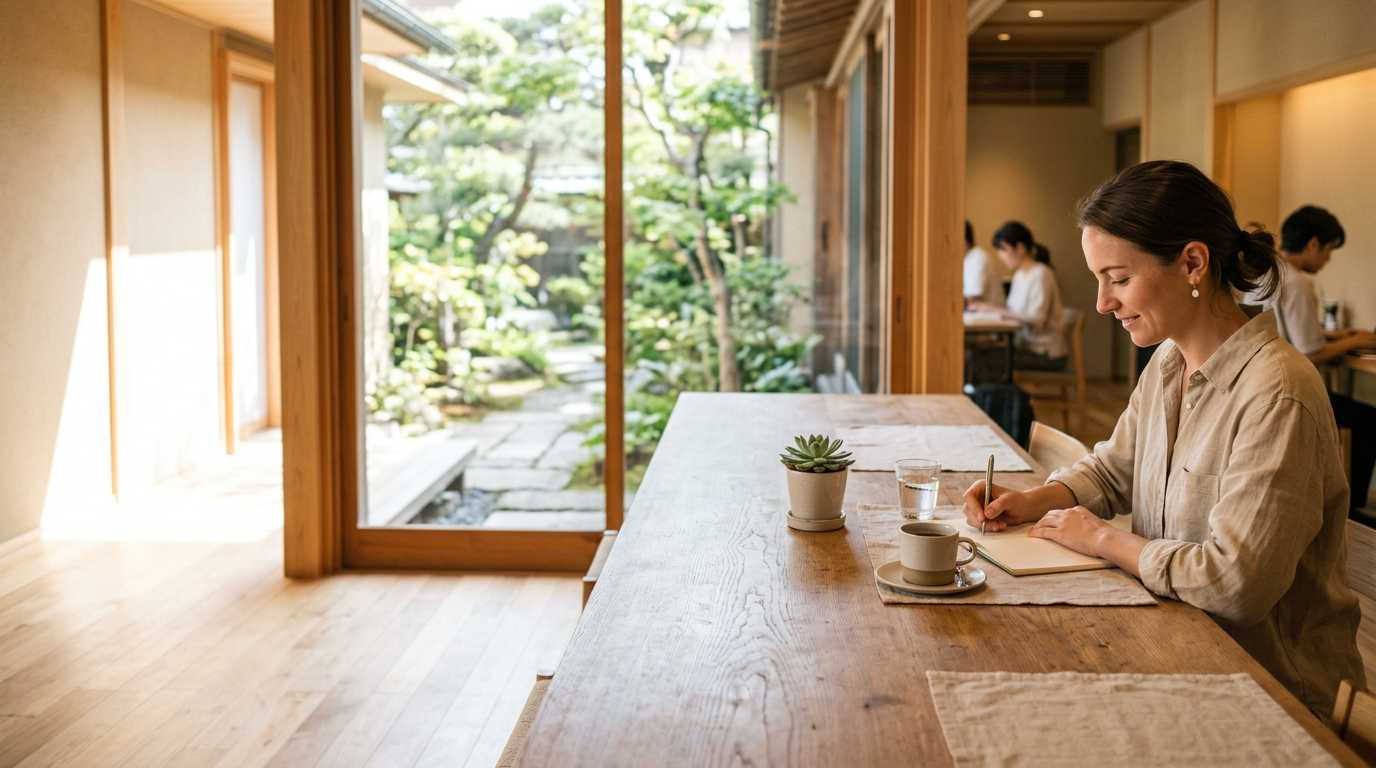
Colive Fukuoka 2026 attracted 334 participants from 44 countries for an 11-day workation program mixing coliving, coworking and regional travel across Japan.
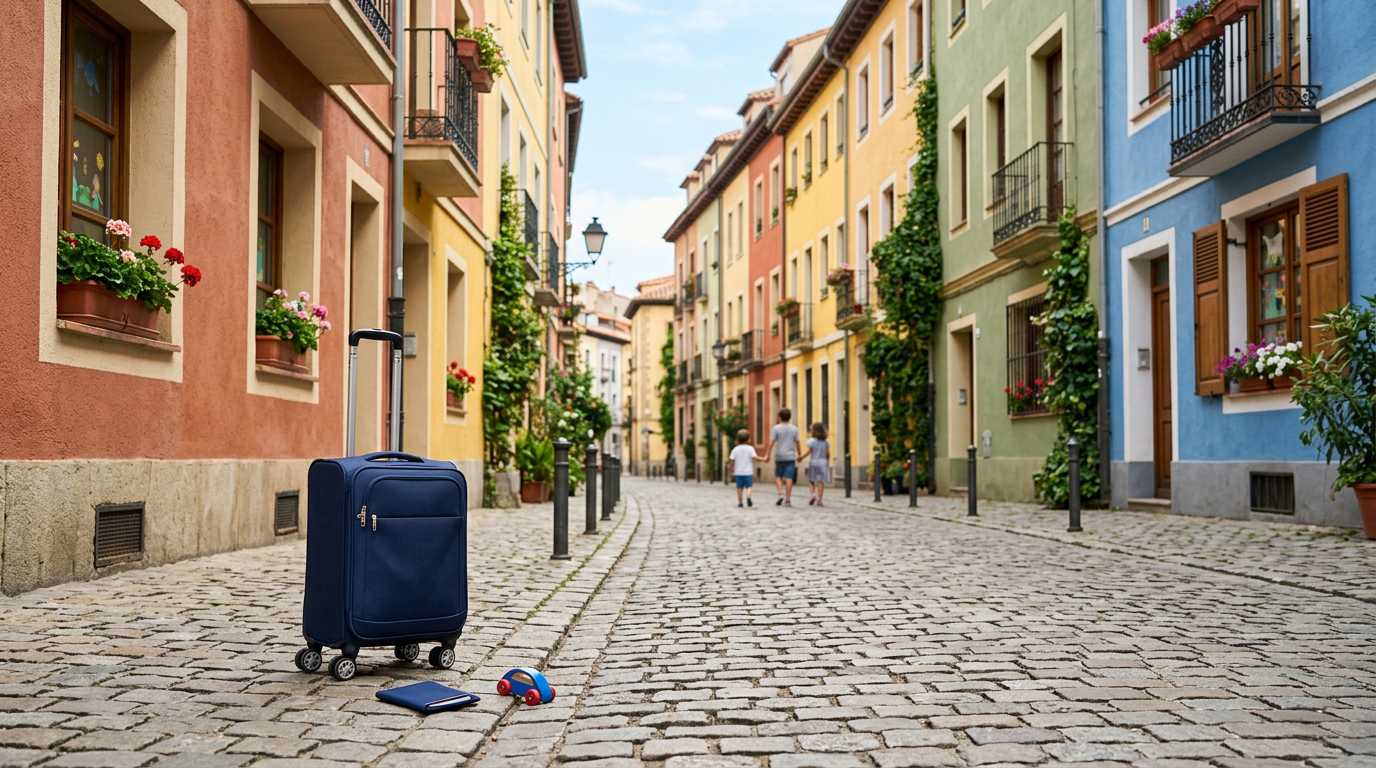
Essential checklist for nomad families: visa requirements for kids, school compliance, safety checks, and child-friendly accommodation features.

CosmoLocal CNX brings digital nomads together for a month-long coliving experiment in Chiang Mai's Wat Ket district this September 2026.

Vietnam now offers 90-day e-visas to citizens of all countries. Here's how digital nomads can apply and what it means for your Southeast Asia plans.
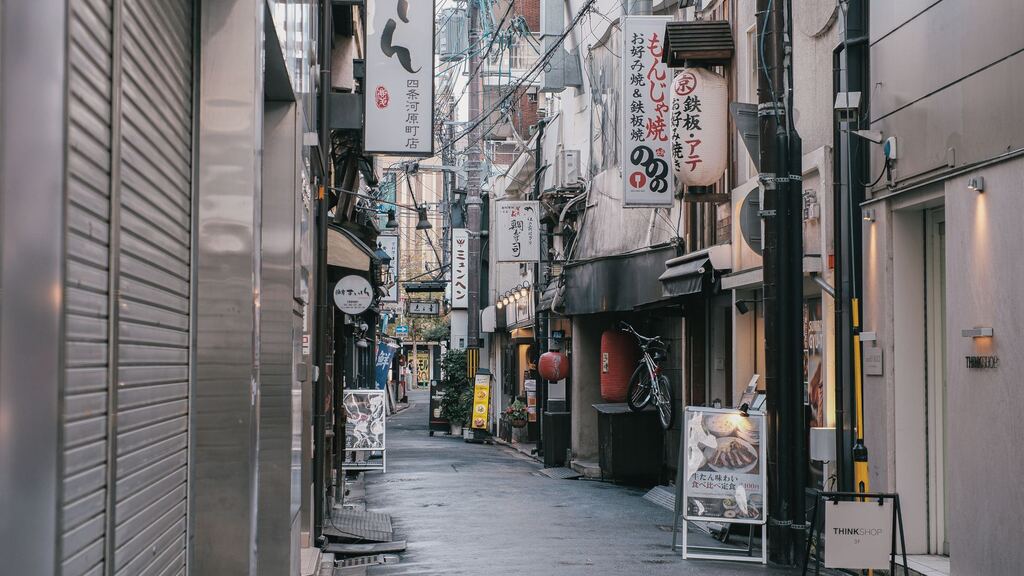
Japan's digital nomad visa is real but has strict income requirements and limitations. Here's what nomads actually get and how to qualify.
Get the best nomad resources, tips, and exclusive deals delivered straight to your inbox. No spam, just valuable content for your nomad journey.
Join fellow nomads. Unsubscribe anytime.