





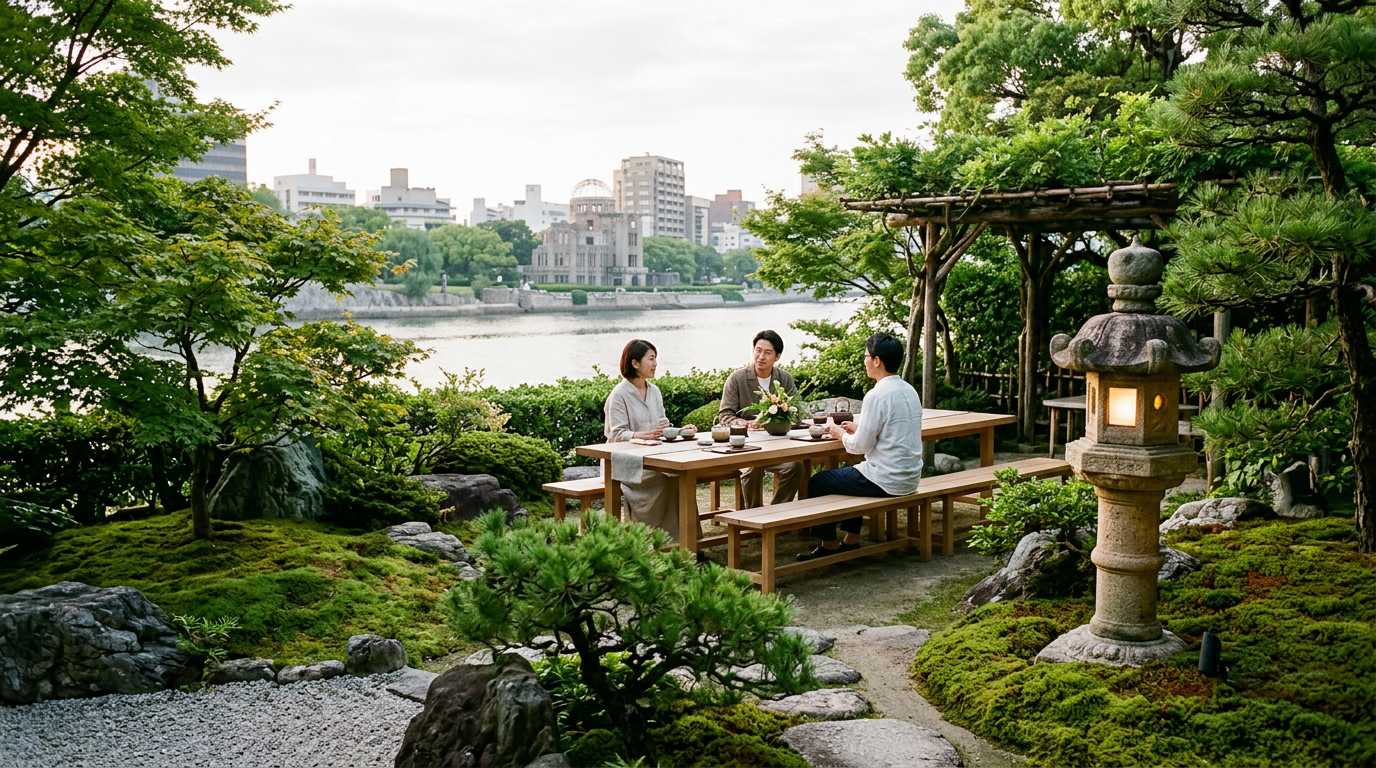
Japan's Three-Week Nomad Festival Tests Slow Travel in Hiroshima and Setouchi
Hiroshima Setouchi Nomad Fest 2026 offers remote workers a unique three-week format across two regions, testing whether slow travel beats quick conferences.
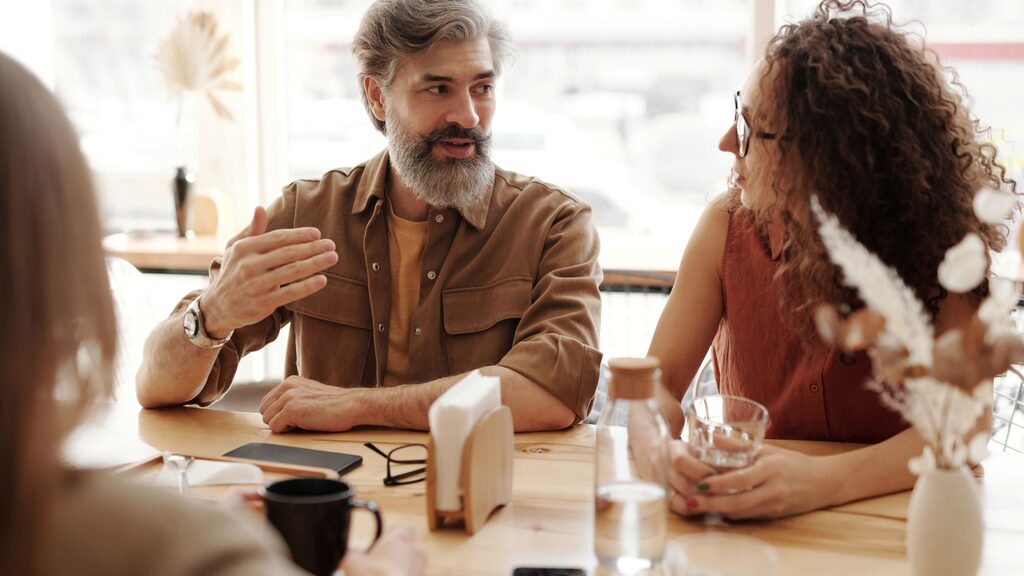
Skip forced networking events. Learn how digital nomads build genuine professional relationships through shared interests, skill exchanges, and organic connections.
Traditional networking feels fake because it usually is. You know the drill: awkward small talk at overpriced cocktail events, business card exchanges that lead nowhere, and conversations where everyone's more interested in their own pitch than listening.
But here's the thing about nomad life - it naturally creates better opportunities for genuine professional connections. When you're working from a cafe in Lisbon or collaborating in a coworking space in Mexico City, relationships form organically around shared experiences rather than forced introductions.
The difference between networking and relationship-building comes down to intent. Traditional networking often feels transactional because it is - people collect contacts without creating genuine connections.
As a nomad, you have a huge advantage. You're already part of a community that understands location independence, remote work challenges, and the desire for meaningful connections. This shared context makes it easier to move beyond surface-level interactions.
The nomad networking reality: Most meaningful professional relationships happen naturally when you're solving problems together, sharing experiences, or helping each other navigate challenges. It's less about what someone can do for you and more about what you can build together.
The best nomad connections start with genuine common ground - not just "we both work remotely."
Join communities around your skills or interests. Instead of generic nomad groups, look for communities centered on your profession, hobbies, or learning goals. A UX designer might find better connections in design-focused Slack groups than general nomad Facebook pages.
Show up consistently in the same spaces. Whether it's a weekly coworking session, online community, or local meetup, consistency beats intensity when building relationships. People need to see you regularly to remember you exist.
Engage with their work, not just their travel photos. Comment meaningfully on someone's professional posts. Share resources that might help their current project. Ask thoughtful questions about their expertise.
Start with giving, not asking. The most effective relationship builders create value first. Share an article they'd find useful, make an introduction, or offer insight on their current challenge.
Propose specific collaboration. Instead of vague "let me know if I can help," try "I noticed you're working on a landing page redesign - I just finished something similar and could share what worked for me." Specific offers get responses.
Create mini-partnerships. Two nomads might exchange services - one handles design work while the other manages social media. These arrangements often evolve into ongoing professional relationships and referrals.
Document and share your collaboration process. When you work well with someone, write about it. This attracts others who work similarly and helps you identify good collaboration patterns.
Coworking spaces are designed for connection, but they only work if you engage actively rather than staying in your own bubble.
Choose spaces that match your work style. Some coworking spaces focus on quiet productivity, others on collaboration and events. Pick ones where you'll naturally interact with people who share your professional approach.
Attend workspace events selectively. Skip generic networking nights. Look for skill-sharing sessions, workshops, or problem-solving meetups where you'll engage around actual work challenges.
Start conversations around shared workspace experiences. "Have you figured out the best coffee spot nearby?" leads to better connections than "What do you do?" You're both dealing with the same location challenges.
Create informal working groups. Suggest working sessions for people tackling similar challenges. "Anyone else struggling with client timezone management?" can turn into a regular support group.
Nomad relationships often start in person but continue online. Here's how to make them last beyond your shared location.
Schedule the follow-up during your first meaningful conversation. Don't rely on good intentions. Before leaving a city or coworking space, set specific times to reconnect with people you want to stay in touch with.
Maintain contact through professional updates, not just travel posts. Share work wins, challenges, or interesting resources. Keep the connection professional even when the relationship is friendly.
Create ongoing collaboration opportunities. This might mean regular check-ins about industry trends, sharing opportunities with each other, or working on projects together despite being in different locations.
Use time zone differences strategically. A nomad in Asia can handle tasks while their European collaborator sleeps, creating natural partnership opportunities.
The nomads with the strongest professional networks are often those who contribute most to the community.
Share knowledge generously. Write about lessons learned, create resources others can use, or mentor newer nomads. People remember those who helped them succeed.
Connect others in your network. Make introductions between nomads who could help each other. This positions you as a valuable connector and strengthens your relationships with both parties.
Organize valuable experiences. Whether it's a skill-sharing session, accountability group, or collaborative project, creating something useful for others naturally builds your network.
Be genuinely helpful in online communities. Answer questions thoughtfully, share relevant opportunities, and celebrate others' successes. Consistent helpful behavior makes you someone people want to work with.
Building genuine professional relationships as a nomad isn't about attending more events or collecting more contacts. It's about showing up consistently, contributing value first, and creating real collaborations around shared interests and challenges.
The best nomad networks grow organically when you focus on being genuinely helpful, consistently present, and open to meaningful collaboration. Skip the forced networking events and invest that time in communities where you can contribute authentically. Your professional relationships - and your business - will be stronger for it.
Hiroshima Setouchi Nomad Fest 2026 offers remote workers a unique three-week format across two regions, testing whether slow travel beats quick conferences.
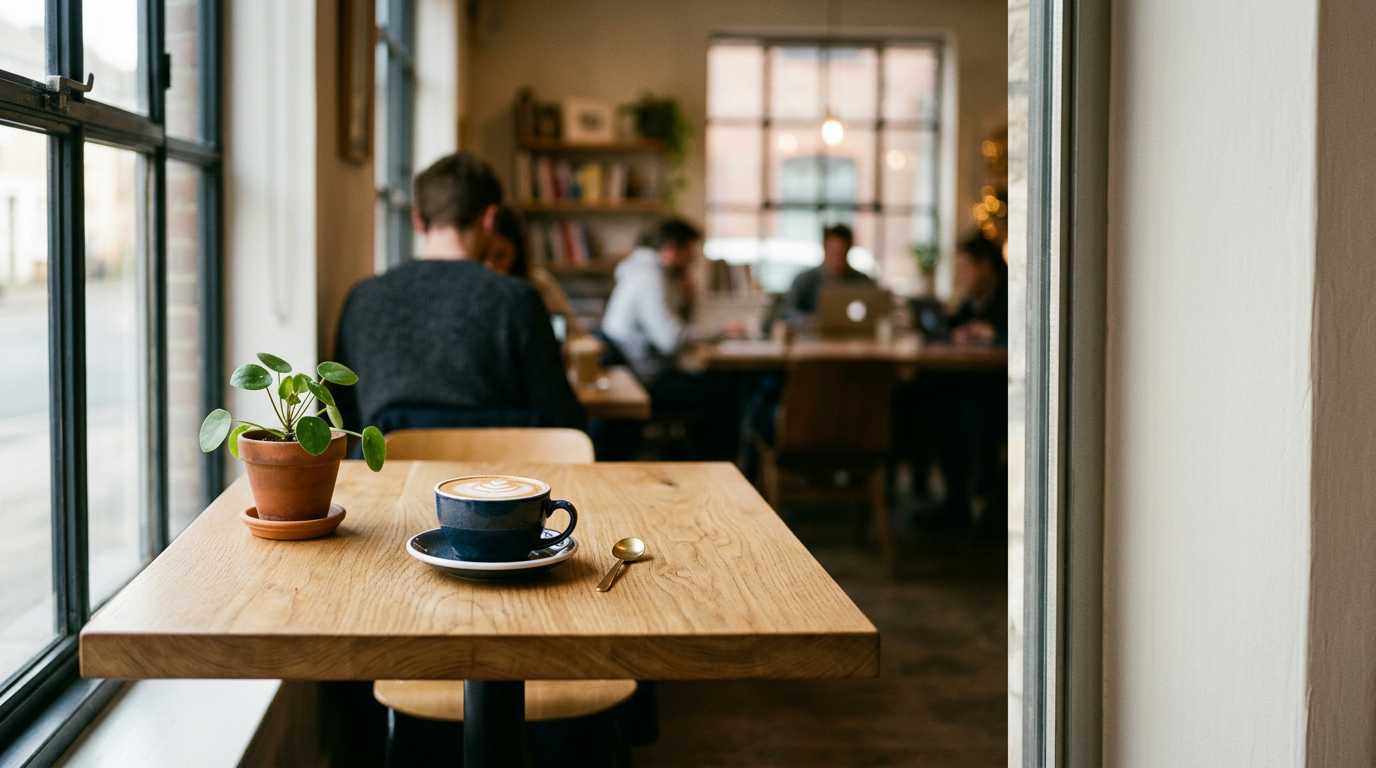
A systematic method to quickly evaluate coffee shops for remote work: test wifi speeds, map power outlets, check noise levels, and avoid tourist traps.
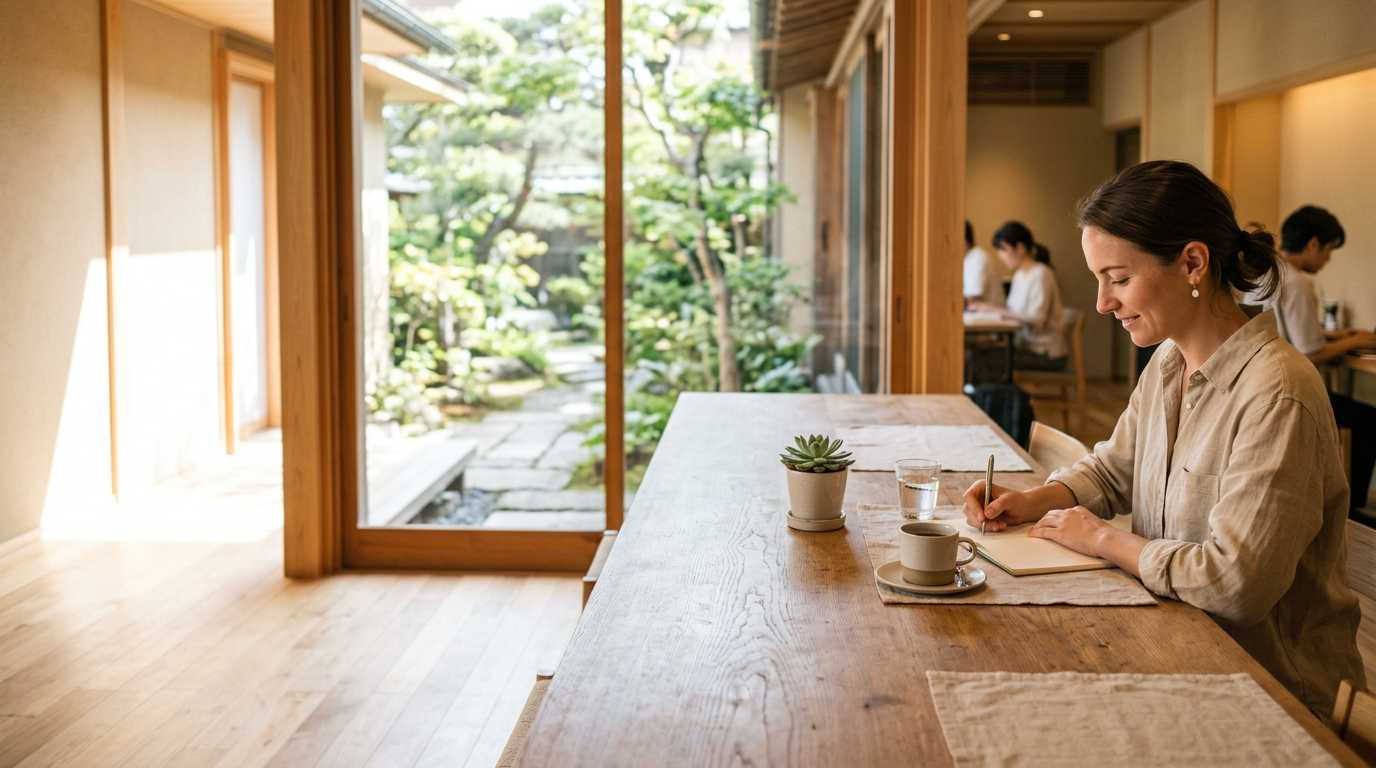
Colive Fukuoka 2026 attracted 334 participants from 44 countries for an 11-day workation program mixing coliving, coworking and regional travel across Japan.

CosmoLocal CNX brings digital nomads together for a month-long coliving experiment in Chiang Mai's Wat Ket district this September 2026.
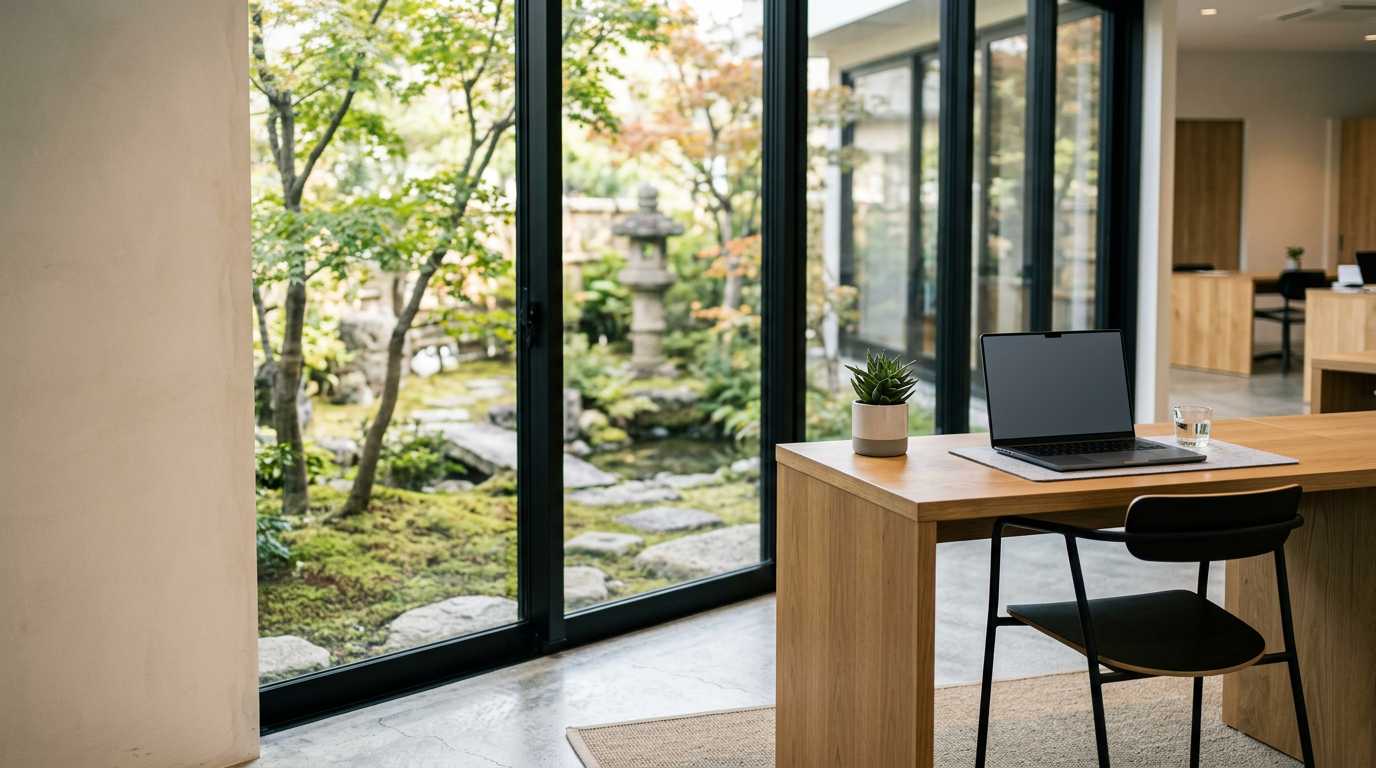
Get free housing, coworking access, and local transport in Japan through Nagasaki's nomad residency program. Applications opened July 1, 2026.

A systematic framework to evaluate coliving workspaces before booking. Test desk ergonomics, internet speed, call policies & community dynamics.
Get the best nomad resources, tips, and exclusive deals delivered straight to your inbox. No spam, just valuable content for your nomad journey.
Join fellow nomads. Unsubscribe anytime.