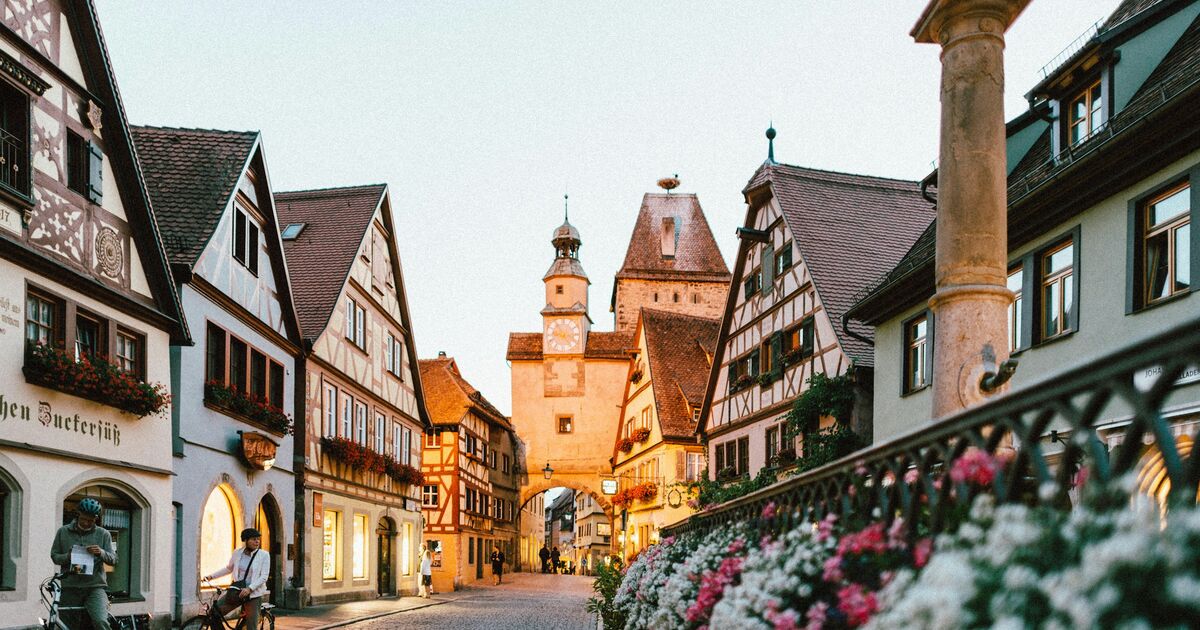







The Apartment Platform Test: Which Marketplaces Actually Have Your Back When Things Go Wrong
Flatio, Spotahome, HousingAnywhere: a teardown of deposit handling, verification, and dispute resolution across monthly rental platforms for nomads.
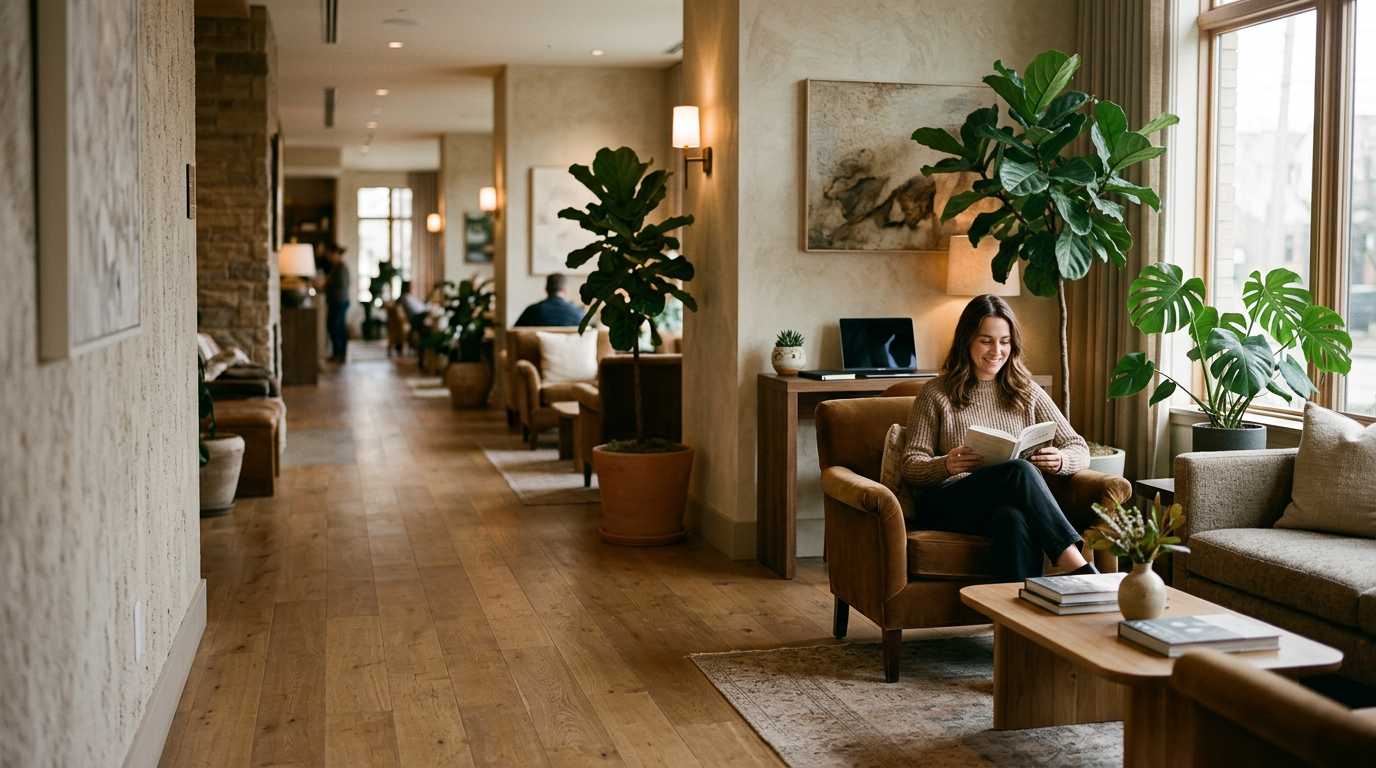
Hotels are moving beyond desks to offer 7–30-night workation packages. Here's what to look for in a hotel base camp before you book.
Hotels are finally catching up to what remote workers actually need. A growing number of boutique properties are ditching the "desk in a room" approach and building genuine live/work base camps, complete packages designed for stays between one week and a month.
According to HospitalityNet, these aren't just extended-stay deals. They combine reliable workspaces, meeting rooms, community programming, local partnerships, flexible pricing, housekeeping, laundry, and storage. The audience? Couples, families, consultants, and remote employees who want hotel convenience without signing a six-month lease.
With an estimated 20.3 million U.S. digital nomads expected by 2026, hotels are racing to serve this expanding market. But not every "workation" package is created equal. Here's what you should actually demand before you commit to a week or more.
This trend fills a real gap. Colivings can feel too communal. Long-term rentals lock you in. Coworking memberships don't solve where you sleep. A hotel base camp sits in the middle: short enough to stay flexible, long enough to settle in, and structured enough that laundry and cleaning are handled.
Who benefits most: Remote workers testing a new city. Couples who need separate work zones. Families who want a home base while exploring a region. Consultants rotating between client sites.
What's different: You're not just renting a bed. You're buying into a workspace, a routine, and often a built-in network of other remote professionals.
Not every property calling itself "remote-work friendly" has thought through the details. Here's what separates real base camps from rebranded extended stays.
Workspace quality, not just Wi-Fi speed. Ask about ergonomic chairs, desk height, natural light, and whether the workspace is in your room or shared. A fast connection matters, but so does a chair that won't wreck your back by day three.
Private meeting and call spaces. Phone booths, small meeting rooms, or quiet corners where you can take a Zoom without whispering. If the only option is your bedroom, that's not a base camp.
Weekly or flexible pricing. Look for rates that drop meaningfully after seven nights and cancellation policies that don't punish you for leaving early if a project ends or plans change.
Community programming. Coworking hours, happy hours, skill shares, or local tours. You don't have to attend, but their presence signals the hotel understands you're not on vacation.
Laundry, housekeeping, and storage. Weekly cleaning and on-site or in-room laundry should be standard. Storage for luggage or gear between stays is a bonus.
Local partnerships. Discounts at nearby gyms, cafés, coworking spaces, or family activities show the hotel has thought about your life outside the building.
Before you lock in a 14- or 30-night stay, get specific answers. Email or call the property directly, don't rely on the booking-site description.
"What does workspace access include, and what hours is it available?" Some hotels reserve coworking areas for certain packages or close them on weekends.
"Is there a dedicated quiet zone or phone booth?" If not, ask how other guests handle calls and whether noise is an issue.
"What's your cancellation policy for stays longer than seven nights?" Flexible = you can leave early with partial refund or credit. Restrictive = you lose everything.
"Do you offer weekly housekeeping or laundry service?" And is it included, or does it cost extra?
"Are there other remote workers staying now?" A simple yes/no tells you whether you'll have peers or whether you'll be the only laptop in a sea of tourists.
"What's nearby for groceries, meals, and exercise?" Base camps work best when the neighborhood supports a routine.
Hotels occupy a unique middle ground, and understanding the trade-offs helps you choose the right setup.
Versus coliving: Hotels offer more privacy, daily housekeeping, and no forced socializing. Colivings usually cost less, include meals or kitchens, and build tighter communities. If you want a hotel vibe with less commitment, base camps win. If you want to cook and make friends, coliving is still better.
Versus coworking + Airbnb: Bundling workspace and lodging in one place saves time and simplifies billing. But if you need a full kitchen, multiple bedrooms, or a specific neighborhood, an Airbnb plus a coworking membership gives you more control.
Versus standard extended stay: Traditional extended-stay hotels focus on business travelers and families, not remote work. Base camps add community, better workspace design, and programming. If the price is similar, the base camp is usually the smarter pick.
This trend is still emerging, so you won't find a central directory yet. Here's how to hunt them down.
Search for "workation," "remote work package," or "extended stay for digital nomads" plus the city name. Many boutique hotels promote these on their own websites, not on OTAs.
Check coliving and coworking directories. Some list hybrid properties or partner hotels. NomadList, Coworker, and Coliving.com occasionally feature hotel collaborations.
Ask in nomad Facebook groups or Slack communities. Someone has usually tested the local options and will share honest feedback.
Look at boutique hotel brands. Smaller chains and independent properties are faster to experiment than big franchises. Look for language like "base camp," "hub," or "residency."
Contact the hotel directly. Even if a property doesn't advertise a package, ask if they'll discount a two- or four-week stay and throw in coworking access. Many will negotiate.
Hotels are evolving into a legitimate accommodation option for remote workers who want flexibility, service, and community without the commitment of a lease or the intensity of coliving. But a desk and Wi-Fi aren't enough.
Before you book a 7–30-night stay, confirm the workspace is actually usable, the pricing makes sense, the cancellation policy is fair, and the property understands what remote work looks like day to day. Ask specific questions. Compare the package to coliving and Airbnb alternatives. And don't settle for a glorified tourist room with a chair.
If the hotel has thought through ergonomics, quiet spaces, laundry, storage, and community, you've found a real base camp. If not, keep looking, or negotiate your own deal.
Flatio, Spotahome, HousingAnywhere: a teardown of deposit handling, verification, and dispute resolution across monthly rental platforms for nomads.
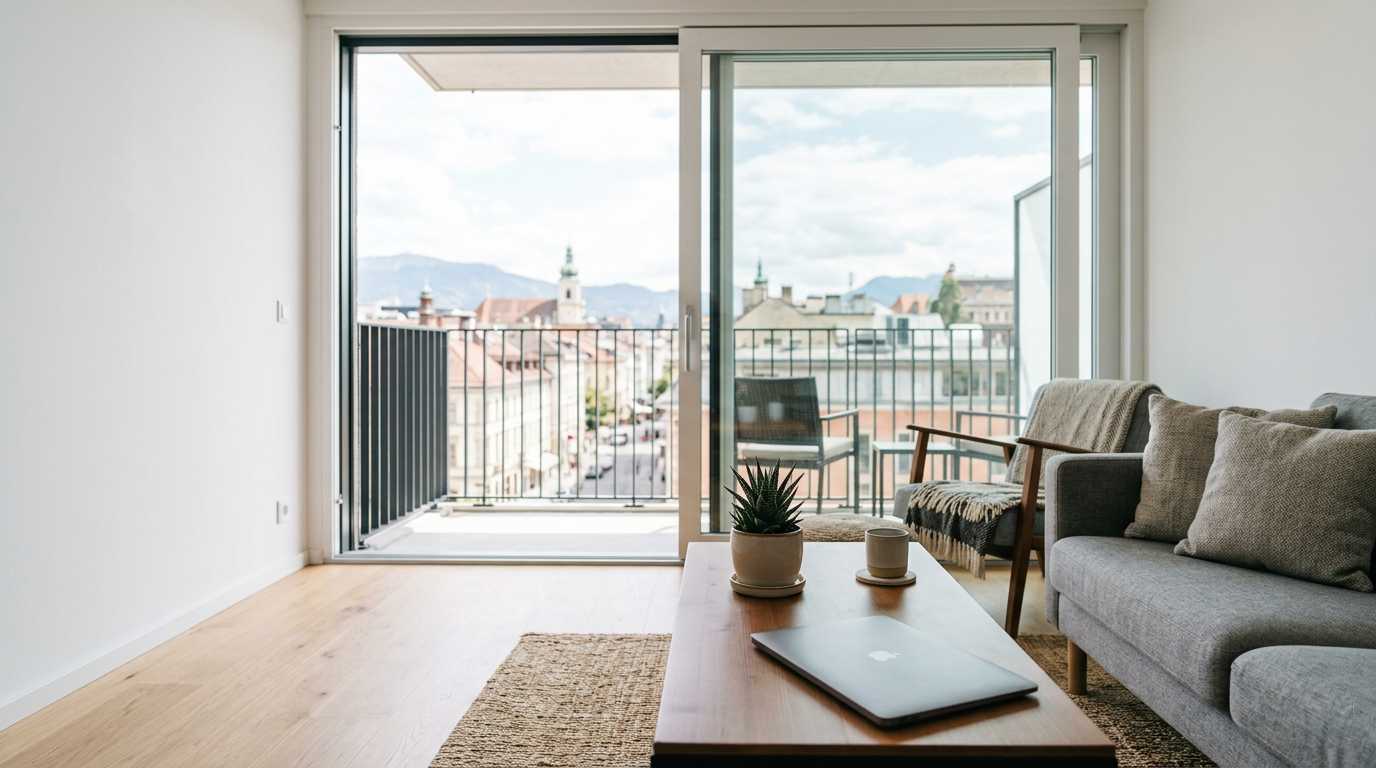
Airbnb's AI travel agent launches in early 2027. Will it help nomads find better monthly rentals or just prettier listings?
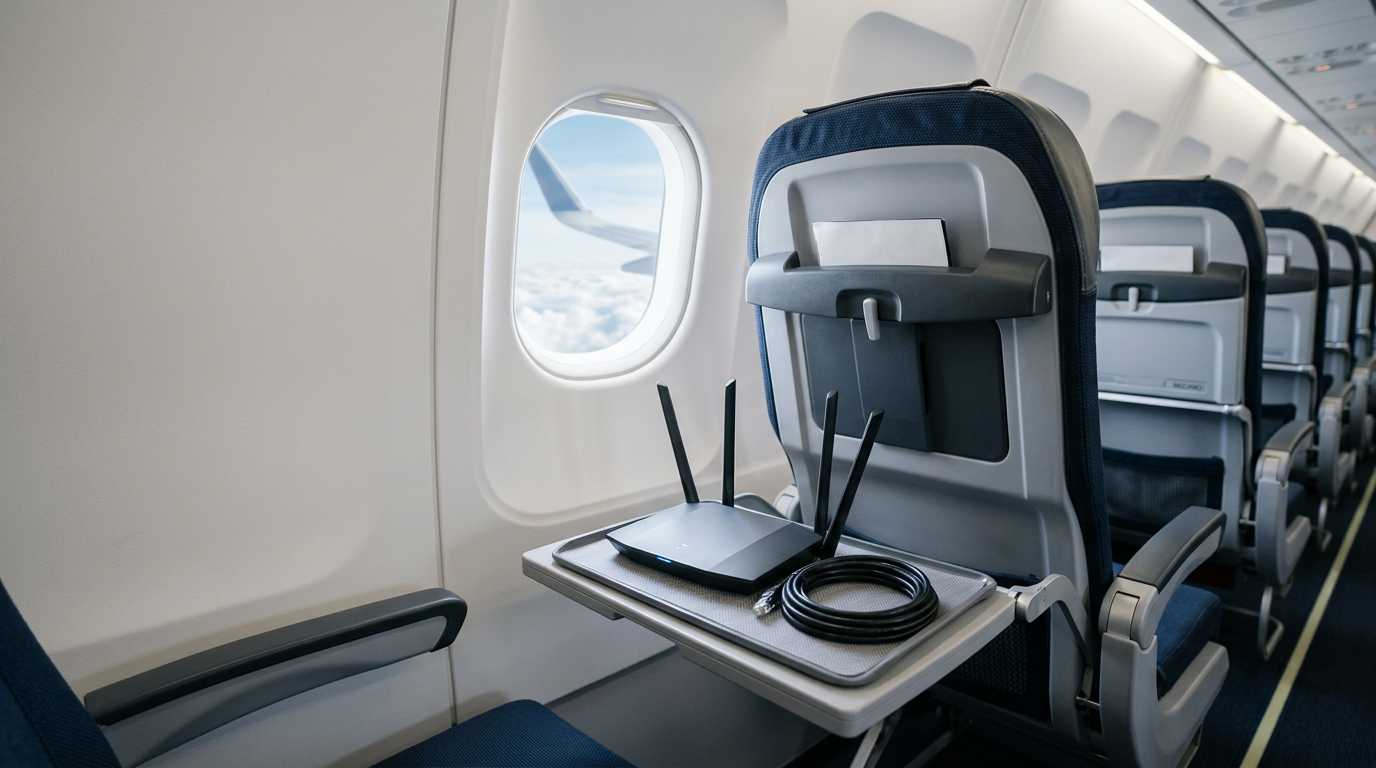
easyJet is rolling out free Starlink Wi-Fi from 2027. Here's what digital nomads should know about working from budget flights during the transition.

Remote workers can apply for 1-3 months of free Arctic housing and coworking. Here's what to expect and how to prepare for similar programs.
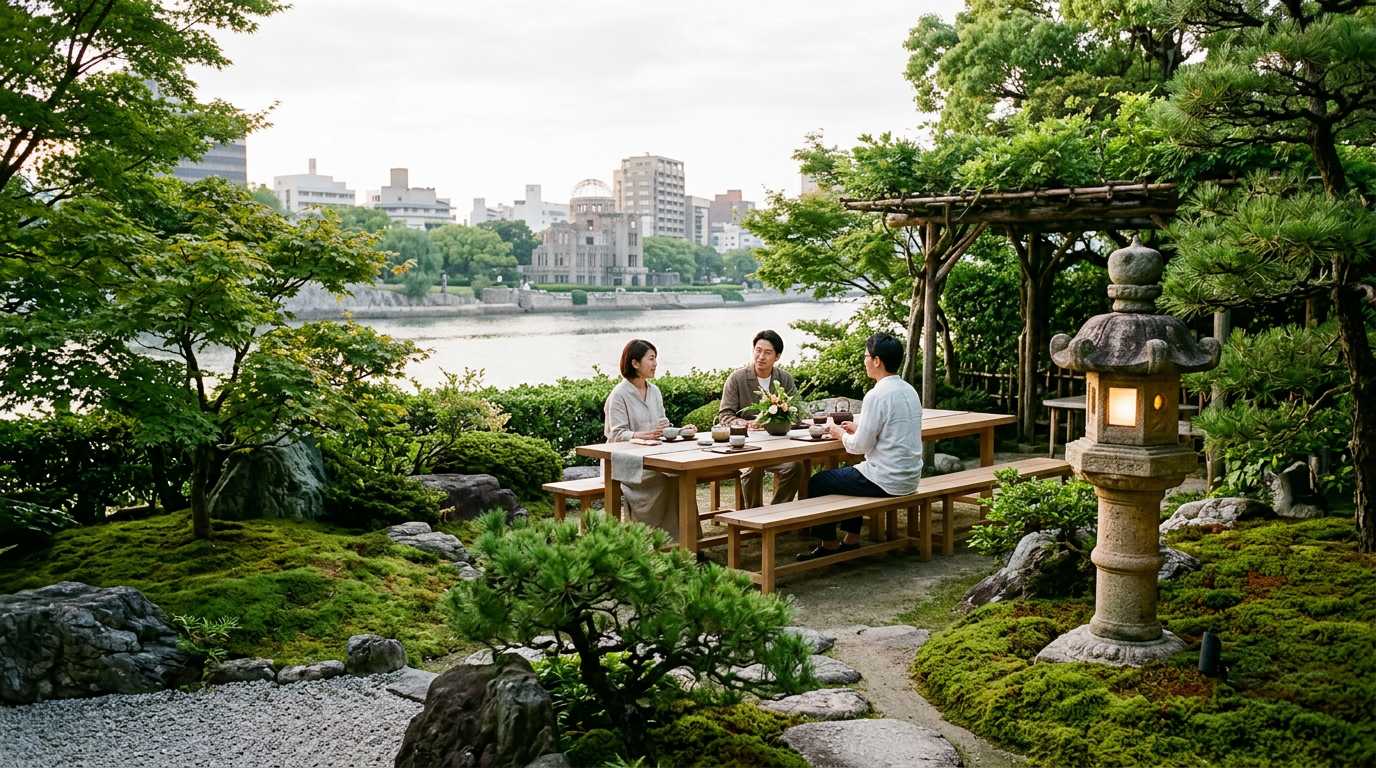
Hiroshima Setouchi Nomad Fest 2026 offers remote workers a unique three-week format across two regions, testing whether slow travel beats quick conferences.

A systematic method to quickly evaluate coffee shops for remote work: test wifi speeds, map power outlets, check noise levels, and avoid tourist traps.
Get the best nomad resources, tips, and exclusive deals delivered straight to your inbox. No spam, just valuable content for your nomad journey.
Join fellow nomads. Unsubscribe anytime.