







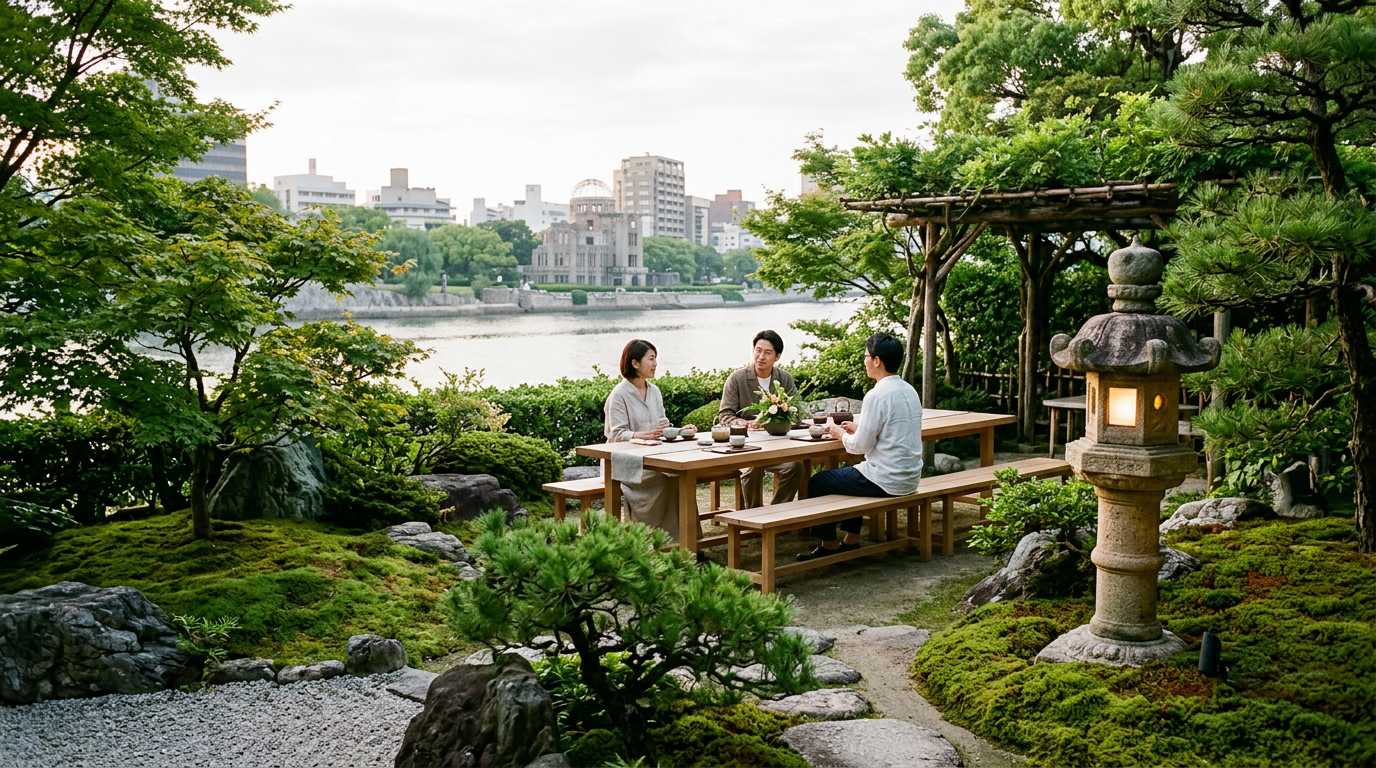
Japan's Three-Week Nomad Festival Tests Slow Travel in Hiroshima and Setouchi
Hiroshima Setouchi Nomad Fest 2026 offers remote workers a unique three-week format across two regions, testing whether slow travel beats quick conferences.
Master productivity as a digital nomad with proven strategies for workspace setup, noise management, and routine adaptation across changing environments.
Switching offices every month sounds like a productivity nightmare. New desks, different noise levels, unfamiliar lighting, and constantly changing routines can derail even the most organized remote worker. But thousands of digital nomads prove it's possible to maintain consistent output while hopping between cafes in Bangkok, coworking spaces in Berlin, and Airbnb setups in Buenos Aires.
The secret isn't fighting the changes – it's building a system that adapts with you.
Your productivity depends heavily on environmental cues that signal "work mode" to your brain. Studies show that 75% of remote workers with a defined workspace report higher productivity. When that workspace changes monthly, your brain loses these familiar triggers.
The psychology is simple: consistency creates mental shortcuts. When you sit at the same desk, use the same setup, and follow the same routine, your brain automatically shifts into focus mode. Remove these anchors, and you're starting from scratch each time.
This is why many nomads experience their first productivity dip around month two or three. The novelty wears off, but the system hasn't developed yet.
The solution starts with creating consistency within the chaos. Your foundation should travel with you and work in any environment.
Your Digital Setup: Keep your computer desktop, bookmarks, and app layouts identical across all devices. Use cloud-based tools that sync automatically. Your digital workspace should feel exactly the same whether you're in a Bangkok cafe or a Berlin coworking space.
Physical Anchors: Pack 3-5 items that instantly transform any space into "your" workspace. This might include noise-canceling headphones, a specific notebook, a small plant, or even a particular coffee mug. These physical cues help create a clear mental boundary between professional and personal time.
Time Anchors: Establish non-negotiable start and stop times that work across time zones. Many successful nomads use a "core hours" system – say 9am to 1pm local time – for deep work, regardless of location.
When you arrive somewhere new, you have roughly 48 hours to establish your productivity rhythm before the chaos sets in. Here's your systematic approach:
Day 1 Morning: Scout 3-5 potential workspaces within walking distance. Test wifi speed, noise levels, and seating comfort. Many nomads make the mistake of settling for the first decent spot they find.
Day 1 Afternoon: Set up your workspace using your physical anchors. Arrange everything exactly as you prefer – screen height, lighting angle, notebook position. This isn't perfectionism; it's psychology.
Day 2: Run your full routine in the new space. Take notes on what works and what doesn't. Is the morning light too bright? Do construction workers start drilling at 2pm? Does the wifi slow down during peak hours?
This protocol prevents the common nomad mistake of "figuring it out as you go" which usually means three weeks of subpar productivity.
Noise is the biggest productivity killer for location-independent workers. But noise tolerance varies dramatically across cultures and environments.
Create Your Sound Hierarchy: Test different audio solutions before you need them. Noise-canceling headphones work great for consistent background noise (air conditioning, traffic) but poorly for irregular sounds (construction, loud conversations). White noise apps help mask inconsistent sounds. Managing noise through soundproofing, white noise machines, or designated quiet zones can minimize distractions and improve concentration.
Cultural Audio Intelligence: In some cultures, loud phone conversations in shared spaces are normal. In others, even typing loudly draws stares. Spend your first day observing local noise norms rather than imposing your preferences.
Backup Plans: Always identify a quiet backup location within 10 minutes of your primary workspace. Cafes get crowded, coworking spaces host events, and construction happens everywhere.
Every new location presents unique environmental challenges that affect focus and energy levels.
Lighting Optimization: Natural light enhances mood and energy levels, while adjustable artificial lighting can reduce eye strain. Position your screen perpendicular to windows to minimize glare. If you're stuck with poor lighting, a small portable lamp can make a huge difference.
Temperature and Comfort: Tropical countries blast air conditioning; northern cities run hot in summer. Pack layers and learn each location's climate patterns. Your productivity crashes when you're constantly adjusting your physical comfort.
Ergonomic Adaptation: Most nomad workspaces aren't ergonomically ideal. A portable laptop stand and external keyboard can transform a low cafe table into a proper workstation. Ergonomically designed furniture can prevent physical discomfort and reduce the risk of musculoskeletal issues.
A consistent daily routine helps set the tone for a productive day. But nomad routines need built-in flexibility to handle different cultures, time zones, and local rhythms.
Core vs. Flexible Elements: Keep your most important productivity rituals non-negotiable (morning coffee, evening review, key work hours) while making everything else adaptable. You might do yoga at 6am in Thailand but 8am in Germany – but you always do it before work starts.
Local Integration: Embrace local rhythms instead of fighting them. Work early morning hours in hot climates. Take longer lunch breaks in siesta cultures. Shop for groceries when locals do. Fighting local patterns creates constant friction.
Weekly Reset Ritual: Every Sunday, review what worked and what didn't in your current location. Adjust your routine based on what you learned. This prevents small productivity drains from becoming major problems.
Your tech stack needs to work flawlessly regardless of internet speed, power outlet types, or local restrictions.
Consistent productivity while changing locations monthly isn't about finding perfect workspaces – it's about creating portable systems that work anywhere. Focus on building digital consistency, establishing physical anchors, and developing cultural adaptability rather than seeking ideal conditions.
Start with the 48-hour adaptation protocol for your next move. Test your noise management strategy before you're under deadline pressure. Build flexibility into your routines while keeping core productivity habits non-negotiable.
The nomads who maintain consistent output aren't the ones with perfect setups – they're the ones with systems that adapt quickly to imperfect conditions. Master the system, and your productivity travels with you.
Hiroshima Setouchi Nomad Fest 2026 offers remote workers a unique three-week format across two regions, testing whether slow travel beats quick conferences.
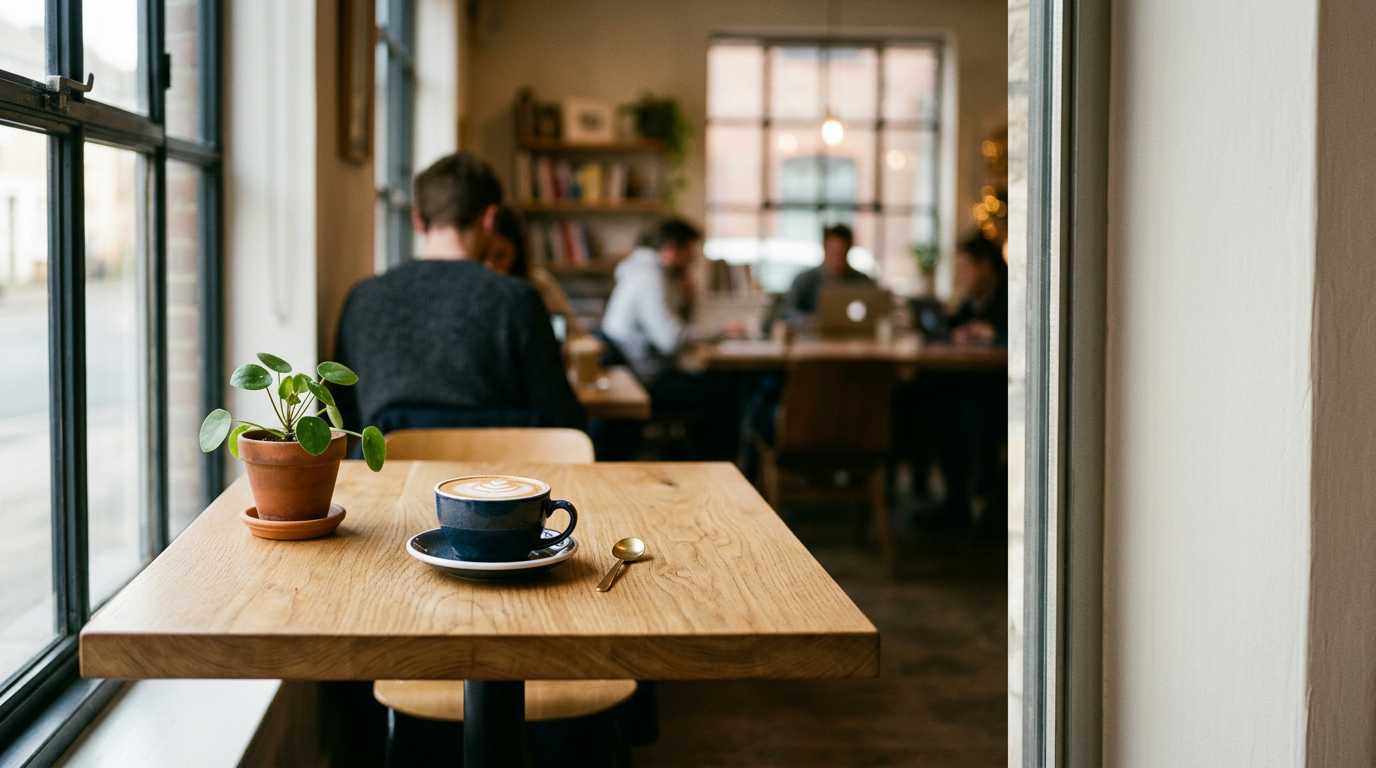
A systematic method to quickly evaluate coffee shops for remote work: test wifi speeds, map power outlets, check noise levels, and avoid tourist traps.
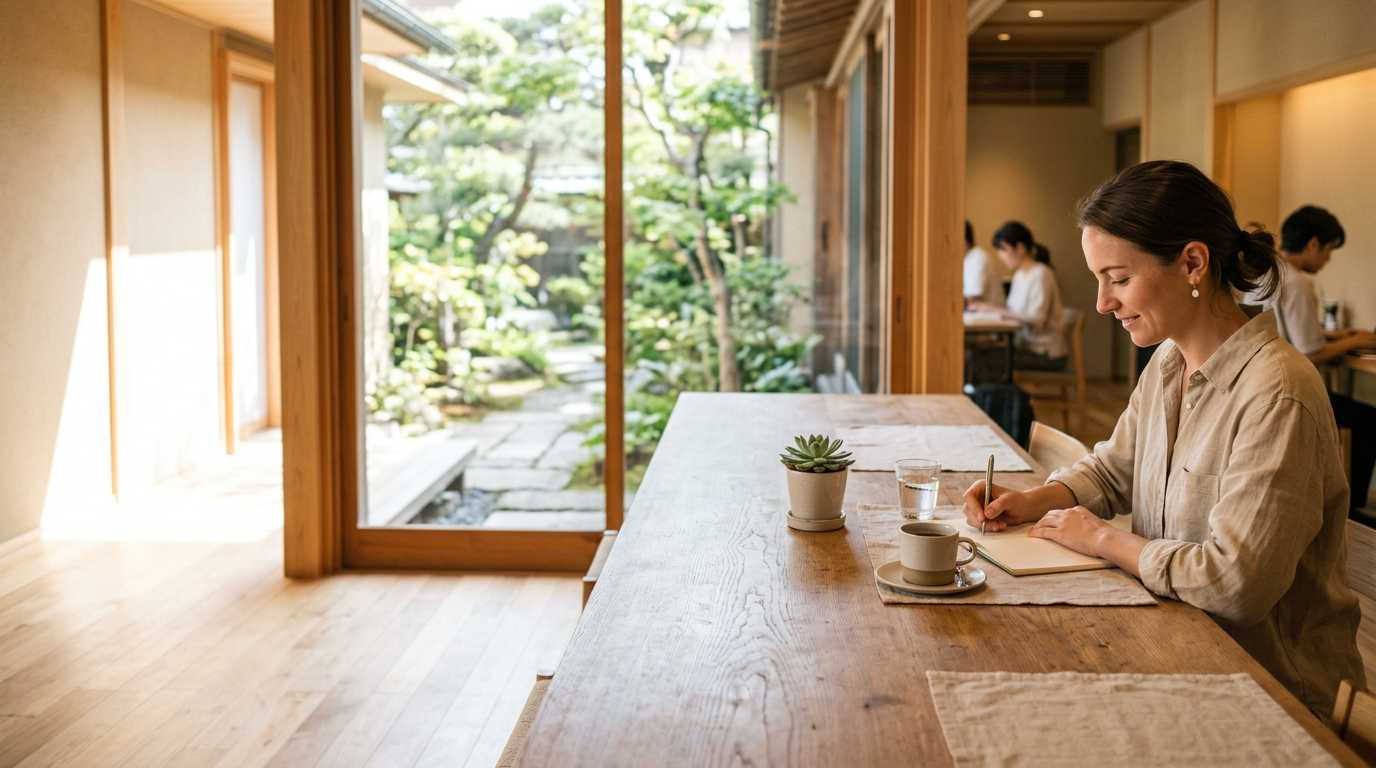
Colive Fukuoka 2026 attracted 334 participants from 44 countries for an 11-day workation program mixing coliving, coworking and regional travel across Japan.

CosmoLocal CNX brings digital nomads together for a month-long coliving experiment in Chiang Mai's Wat Ket district this September 2026.
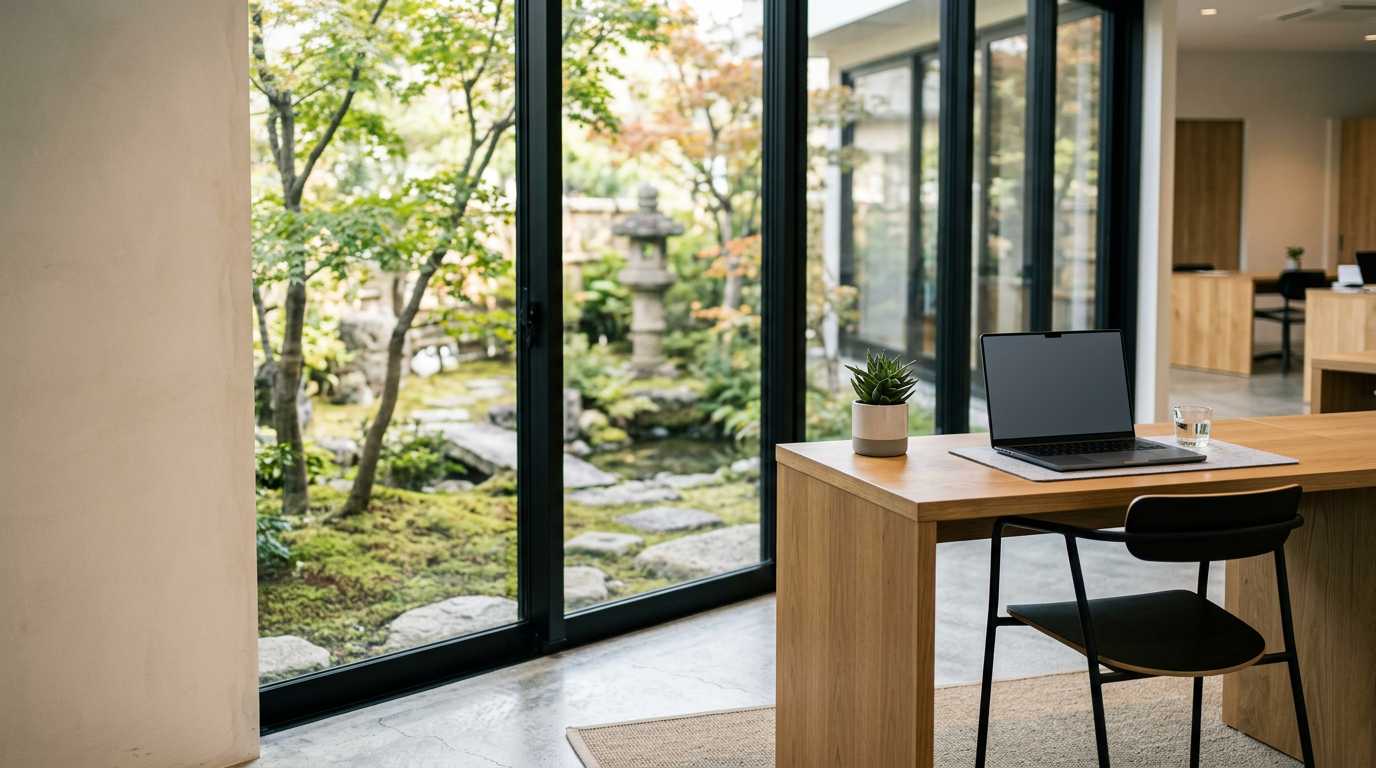
Get free housing, coworking access, and local transport in Japan through Nagasaki's nomad residency program. Applications opened July 1, 2026.
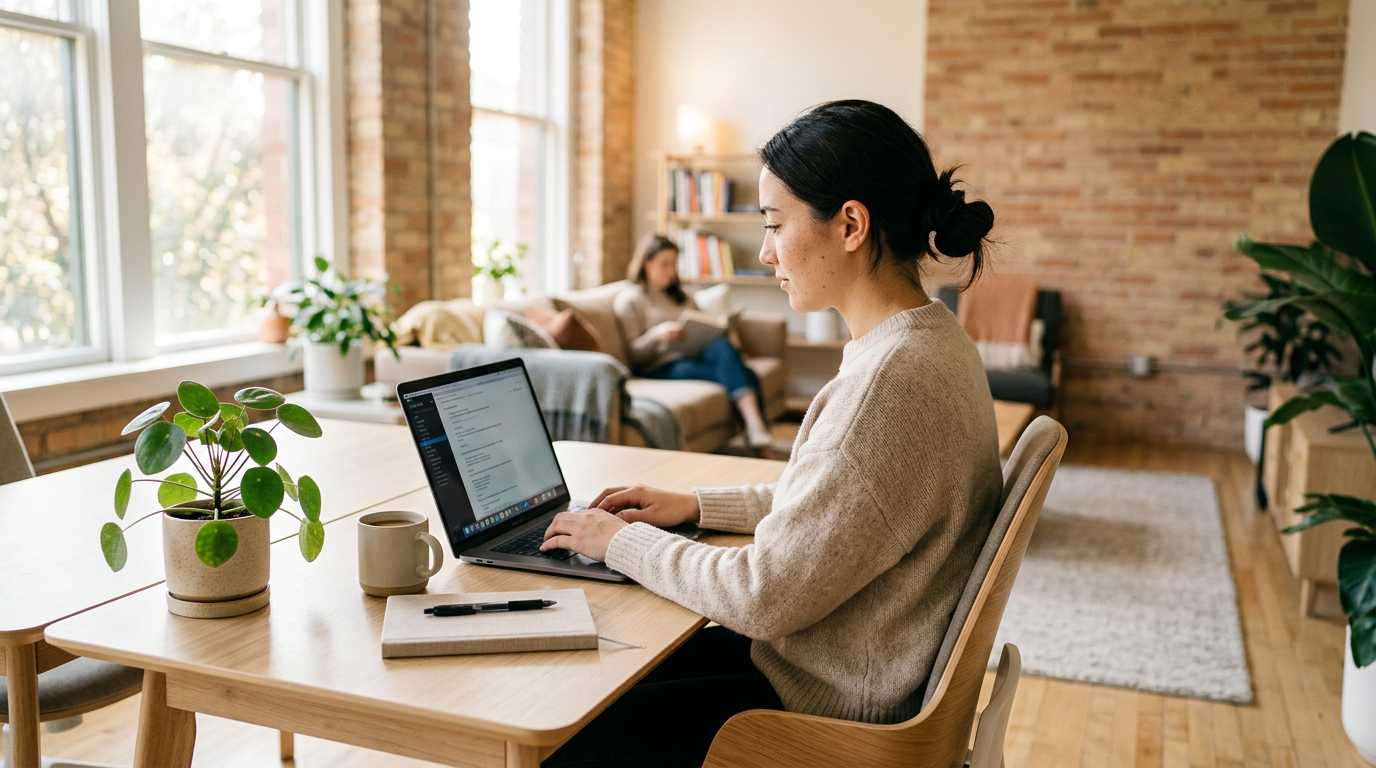
A systematic framework to evaluate coliving workspaces before booking. Test desk ergonomics, internet speed, call policies & community dynamics.
Get the best nomad resources, tips, and exclusive deals delivered straight to your inbox. No spam, just valuable content for your nomad journey.
Join fellow nomads. Unsubscribe anytime.